We are pleased to announce that works to repair the flood damage at our Lower Bourne site are now well underway. However the contractors are currently redecorating, so please be aware of touching any freshly painted walls and woodwork. Thank you

Patient News
Here at Farnham Dene we have been working hard to ensure you get the care you need. In October 2026 we delivered:
- 7302 Total appointments in practice and at the Farnham vaccination centre (flu and COVID)
- 4692 Face to face appointments
- 2610 Telephone appointments
- 585 FICS same day appointments
- 4218 Phone calls answered
However 173 patients did not attend their appointment.
Please therefore let us know in advance if you are unable to attend your appointment. This will free it up for someone else who needs it.
Thank you.
ChatHealth texting service is run by trained Health Visitors and Nursery Nurses and is a great place for support with:
- growth concerns
- feeding issues
- development worries
- immunisation questions
- referrals to community referrals to speech, physio, vision and hearing services
ChatHealth texting service is run by trained Health Visitors and Nursery Nurses and is a great place for support with:
- growth concerns
- feeding issues
- development worries
- immunisation questions
- referrals to community referrals to speech, physio, vision and hearing services
We are pleased to announce that works to repair the flood damage at our Lower Bourne site are now well underway.
We have continued to see patients throughout the repair works and are making every effort to minimise disruption. However, we kindly ask for your patience and understanding should you experience any noise or disturbance while contractors are on site. Please also take care and remain aware of any temporary trip hazards, as well as freshly painted walls and woodwork.
We are delighted to confirm that repairs to the disabled washroom have now been completed. It will reopen to patients once the paint has fully dried.
The final stage of the project will involve replacing the flooring, which is currently scheduled for January 2027. We are excited to be replacing the existing carpet tiles with new wood strip flooring throughout the reception, waiting room and corridors. We hope this improvement will create a cleaner, brighter and more welcoming environment for all our patients and staff.
In the mean time, we would like to thank our patients for their continued patience, understanding and support while these essential works are carried out. We very much appreciate your cooperation and look forward to welcoming you into the newly refurbished premises.
my mhealth app: Supporting residents living with diabetes, asthma, COPD or cardiovascular disease.
You may receive an invitation from the practice team offering access to my mhealth if you have a long-term condition that would benefit from access to the app. It's free, and it's completely up to you whether you use it.
my mhealth explains your condition in simple terms and gives you tips and tools to help you feel more confident day to day. It doesn't replace your usual care, your GP practice team are still here for you, just as before. It works alongside them, to help you understand and manage your condition yourself where you can.
If you have any further questions, please discuss with the practice team. Or for further information about the app, the my mhealth Digital Health Advisers will be happy to help.
Available Monday to Friday from 8am to 5pm GMT - except Bank Holidays. Contact them by phone on 01202 299 583 or email DHA.support@mymhealth.com.
UKHSA has announced a one off MenB vaccination programme to protect Year 13 pupils and those under 25 who are starting university or residential further education in the autumn. The programme will consist of two doses of vaccine, with the first offered from July and the second in August.
NHS England has advised that eligible patients will be contacted directly via the NHS App, letter, or text message. Patients should therefore wait to be contacted. Appointments will be available to book via the NHS website from 13 July 2026. The booking link can be found here
Please therefore wait until you are contacted, or use the national booking route once it becomes available.
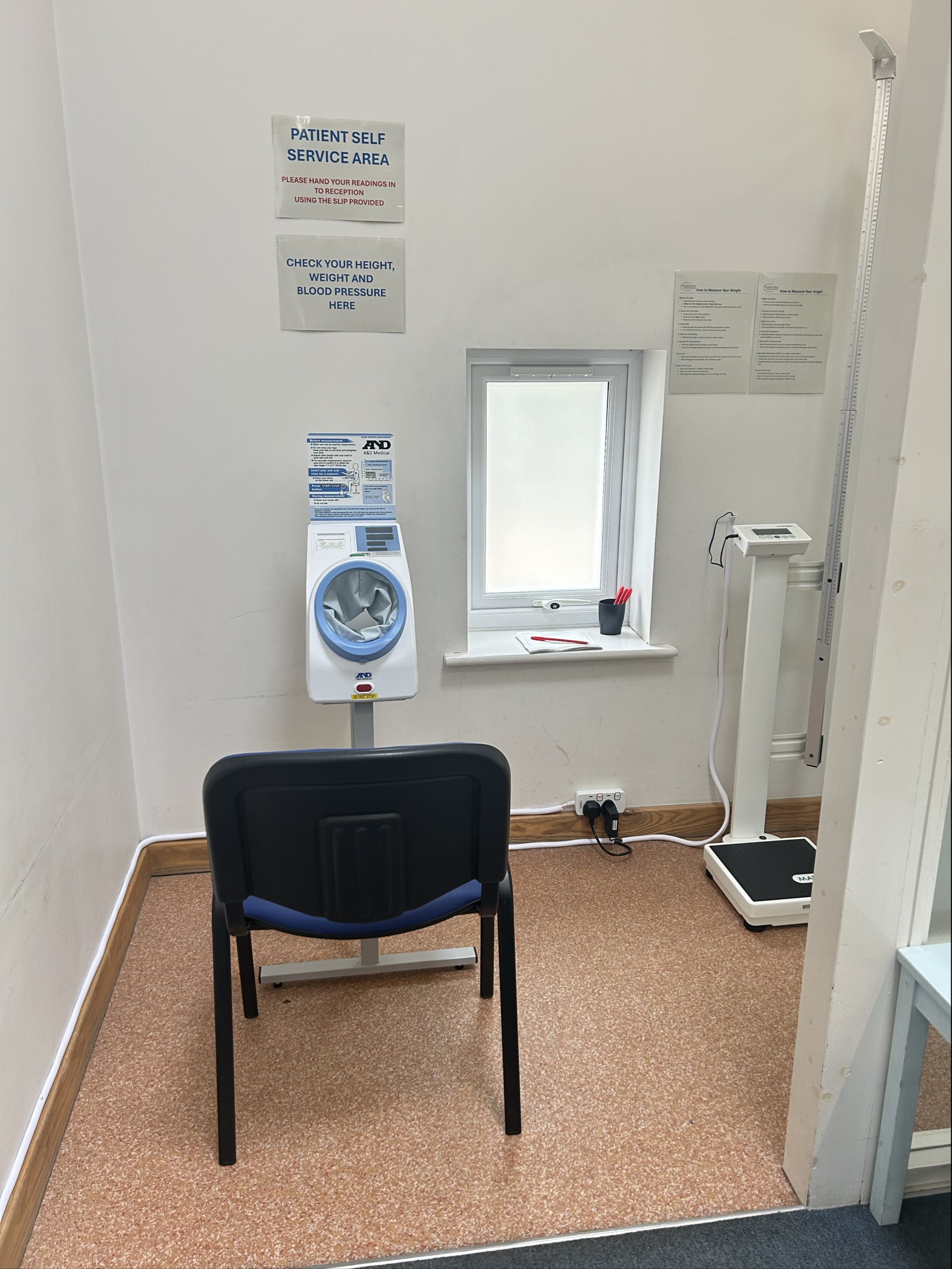
We are pleased to introduce our new Patient Self Service area at our Bourne site, giving patients convenient access to monitor key health measures including blood pressure, height and weight. This development follows valuable feedback from our patients, who told us it would be beneficial to have these facilities available locally as well as at our hospital site. We are committed to responding to patient feedback and improving access to simple, routine monitoring wherever possible.
We would also like to extend our sincere thanks to our patients, whose generous donations have made this equipment possible. Your support has enabled us to invest directly in services that benefit our community. Patients are warmly encouraged to use the self-service facilities when attending appointments, or to drop in when asked to provide updated readings as part of long-term condition reviews. We hope this new service makes it easier for you to stay on top of your health and supports more efficient, proactive care.
Remote Monitoring and Care Service
Remote monitoring and care is one of the ways we are supporting residents with ongoing health conditions to keep well at home. Instead of waiting to contact your healthcare professional, they can now proactively support you using clinical expertise, your shared care record, and remote monitoring data.
The Remote Monitoring and Care Service is coordinated by East Berkshire Primary Care and Berkshire Primary Care, who each have Digital Healthcare Teams. If you receive a text from them, it means we believe this service could benefit you and they will contact you soon to explain how it works and answer any questions you might have.
What Is Remote Monitoring and Care?
You’ll regularly share health readings, like blood pressure and oxygen levels, and answer questions about your health and wellbeing via a remote monitoring app on your smartphone or tablet. Healthcare professionals at the Remote Monitoring and Care Service review this health information and offer clinical advice and support when you need it.
New Remote Monitoring App
We’re introducing a more user-friendly app developed by Luscii to replace the current DOCOBOAPP™. From November 2025, new users will use the Luscii App. Existing DOCOBOAPP™ users will be given guidance on how to switch when it is time to change over.
How We Use Your Health Information
Your health information is securely collected and monitored to support your care. Only relevant healthcare professionals will have access to your information. All data is stored securely following NHS confidentiality and data protection policies. We will not share your data with third parties outside your care team without your consent unless required by law. For information on how we use your data, visit: www.frimleyhealthandcare.org.uk/about-us/connected-care
What Happens Next?
You will receive a call to discuss the service. If you would like to be enrolled, the relevant Digital Healthcare Team will work with you to understand what equipment you might need and give you guidance on how to set up the app and share your health readings.
For more details about the Remote Monitoring Service, visit:
https://www.thamesvalleysurreycarerecords.net/local-people/rm
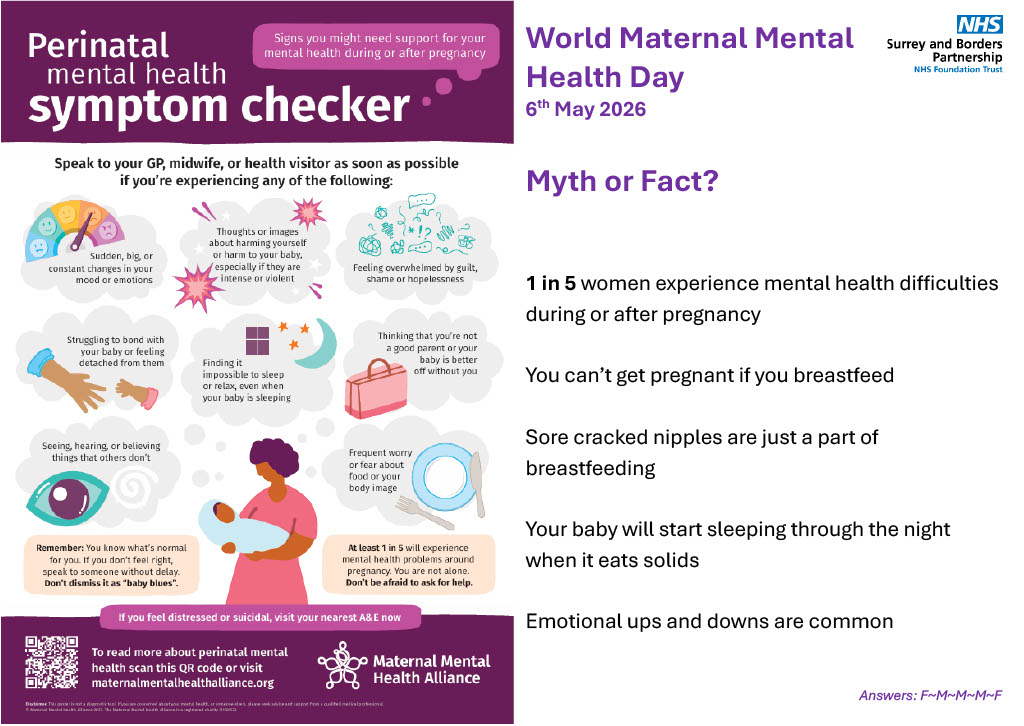
World Maternal Mental Health Day on the 6th May.
Please find details of how to access support during the perinatal period.
World Maternal Mental Health Day on the 6th May.
Please find details of how to access support during the perinatal period.
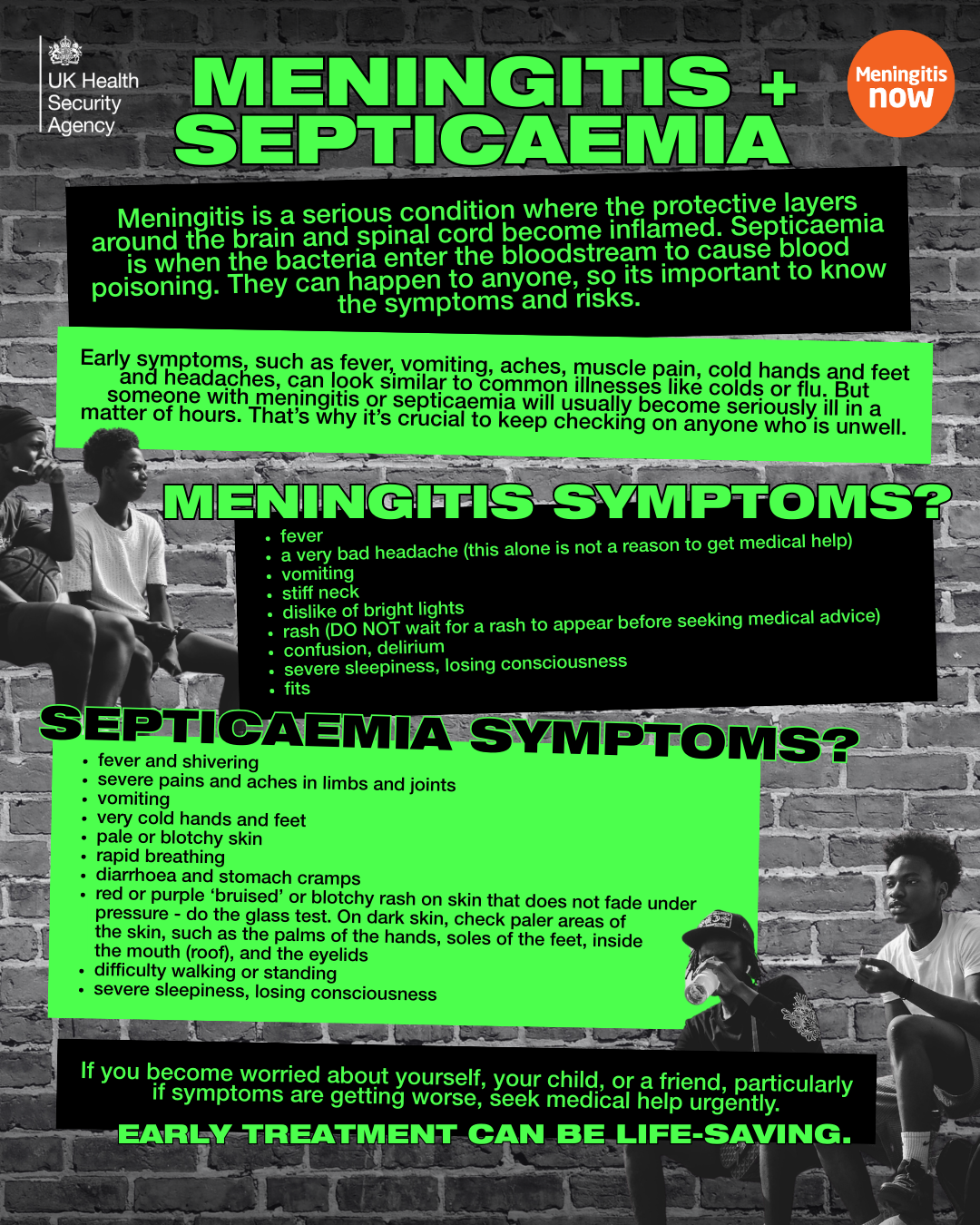
Due to the outbreak in Kent of meningitis which has tragically cost 2 young people their lives we understand that many patients may be concerned about their own or their child’s vaccination status.
Below is a guide to the two meningitis vaccines offered in the UK and how to check your records.
Meningitis ACWY
The MenACWY vaccine protects against four types of meningococcal bacteria: A, C, W and Y. These can cause meningitis and septicaemia (blood poisoning).
Who receives it?
This vaccination is offered to all children around the age of 14, typically in Year 9, for both boys and girls, and is administered by the School Nursing Teams. This is a one dose vaccination.
Check your vaccination status
If you are unsure you or your child has received this vaccination, please check your GP Health Record on your NHS App and look at your Immunisation History. If you are still unsure, contact the school nursing team https://surreychildandfamily.co.uk/services/immunisations/ or email scfh.contact@hcrgcaregroup.com.
Missed the vaccine?
If you or your child has missed this vaccination, it can be given before the age of 25 years and can be done at the practice. Submit an Admin request via our Online Consultation platform or contact our Reception Team.
Meningitis B (MenB Vaccine)
The MenB vaccine protects against meningococcal group B bacteria, the most common cause of life-threatening meningitis in children.
Who receives it?
This vaccination was introduced to the routine vaccination schedule in 2015 and is offered to babies at 8 weeks, 12 weeks and 1 years old.
Catch up doses are available up until the age of 2.
Anyone born before 2015 will not have received this vaccination as part of the routine schedule and the Men B vaccine is not routinely available on the NHS after the age of 2.
If you wish to receive this vaccine privately, please contact a local Pharmacy or travel clinic to see what services they offer.
Signs Symptoms and when to seek help
Please visit the NHS website for more information signs and symptoms of the infection and when to seek medical help.
We have been notified that SMA Alfamino has now returned to full supply levels.
Contact your Pharmacy if you have any queries regarding the product.
We have been notified that SMA Alfamino has now returned to full supply levels.
Contact your Pharmacy if you have any queries regarding the product.
Community Pharmacy – Services your local pharmacy offers
Pharmacies across England can provide advice on a wide range of conditions, how to use your medicines and offer NHS services.
Visit the website to find out more information about the NHS Pharmacy First Service, NHS Blood Pressure Check Service and the NHS Pharmacy Contraception Service and use the Find a Pharmacy tool to find your local Pharmacy.
You can now access the latest travel health advice and country-specific information directly on our website via the Travel Health Pro widget.
You can now access the latest travel health advice and country-specific information directly on our website via the Travel Health Pro widget.
There are a number of significant risks of purchasing weight loss products from unregulated websites or social media.
Please consider the following advice:
- Avoid social media “quick fixes” or unusually cheap products – these are often illegal.
- Do not buy prescription-only medicines without a prescription. GLP-1 and other weight-management treatments should only be supplied after a clinical assessment.
- If using a private prescription, ensure it is dispensed by an authorised source, such as a registered online pharmacy.
- Only purchase medicines from registered UK pharmacies or legitimate retailers. (Check pharmacy registration via the General Pharmaceutical Council for Great Britain.)
- To report suspicious websites or products to the MHRA’s Yellow Card scheme so action can be taken to protect others
More information can be found here:
FakeMeds: Safely buy medication online
GLP-1 medicines for weight loss and diabetes: what you need to know - GOV.UK
We have been informed that patients may be purchasing their own supply of oxygen.
Oxygen must not be initiated without an appropriate clinical and safety assessment. Oxygen bought online may not be medical grade and will not be supported by clinical or home safety assessments, potentially leading to significant health and safety risks
Please visit the following websites for more information:
https://frimley.icb.nhs.uk/your-health/your-medicines-taking-them-safely/safe-use-of-oxygen
https://www.nhs.uk/tests-and-treatments/home-oxygen-treatment/
A new page has been added to the NHS website to help patients download the NHS App, which includes a video on how to do this on iPhone and Android devices.
On the webpage, you can choose to turn on British Sign Language and read the full video transcript with ease.
You can also find the video on YouTube
You can also use a computer to access NHS App services in your web browser if you are unable to download the app.
The Spring Booster 2026 COVID Vaccination campaign starts on Tuesday 14th April at the Farnham Vaccination Site.
If you are eligible and have yet to make a booking, please contact our Reception Team on 01252 730100.
Eligible patients include:
- Patients over 75 yrs (Born on or before 30th June 1951)
- Patients who are 6 months or older who are immunosuppressed
- Residents in a Care Home for older adults
Patients between the ages of 5 and 11 years of age will be be contacted to make a booking in clinics running on a specific date with our specialist clinician. Children under 5 will need to be referred so please contact the practice for further details,
Patients in long-stay residential care homes or who are registered with the Practice as housebound will be contacted by the Vaccination Team separately. Please wait to hear from the team with further details.
For more details about eligibility and the vaccine, please visit:
Every winter is different and brings its own challenges like freezing temperatures, sometimes it will be wet and windy, and we can be sure that winter viruses – coughs, colds and covid – will rise during this time, putting extra pressure on health services.
That’s why it’s so important for all of us to act now.
When we stay well and manage our health effectively, we reduce the chances of becoming seriously unwell. By increasing our awareness of the health services available to us and knowing where to go for medical help or advice, we can also make sure any existing health conditions are well-managed.
By looking after our own health and checking in on those who may need extra support, we can all play our part in staying well this winter. Together, we can help the NHS by reducing demand and waiting times, allowing health services to focus on people with the greatest needs.
Steps that we can all take include:
- ensuring that we have a well-stocked medicine cabinet, so we can treat minor illnesses and ailments at home.
- washing our hands regularly and keeping away from others if we or they are ill to prevent the spread of viruses.
- familiarising ourselves with local NHS services and when to use them - for example, Your community pharmacy can offer expert advice and treatment for many common health concerns.
- download the NHS App to:
- order repeat prescriptions
- manage appointments
- check test results
- get trusted advice for symptoms
- ensuring that we are in the best health heading into winter by getting vaccinated, attending regular health checks and screening appointments when invited.
- being kind to ourselves by keeping in touch with others, staying active and getting outside when we can to help with our mental wellbeing.
- check in with friends, family, and neighbours — especially those who might be more vulnerable or need extra support during the colder months.
For more information and to learn about local NHS services available in your area, visit www.frimleyhealthandcare.org.uk and also follow our social media channels for trusted health and wellbeing updates.
Instagram - @frimleyhealthandcareics
Facebook - FrimleyHealthandCare
Patients who are prescribed and take certain medications require regular monitoring to inform the GP how well the medicine is working and to reduce the risk of adverse side effects. Monitoring can take the form of blood tests or other diagnostic tests and is essential to help your GP decide if you can continue with your treatment.
We will routinely be in touch via text message, email or telephone call to advise you when your monitoring is due. We allow 4 weeks for your blood test to be booked and for the results to come back to your GP. If we have not had your results back after 4 weeks, we will be in touch with a further reminder. If we cannot see any results after this time, we will write to you to notify you that your medication will be reduced until you are able to attend your monitoring appointment. For our patients who receive medication under a shared care agreement, a treatment plan between your GP and hospital specialist, regular blood tests are essential to safely continue on your medication. If the requested tests are not completed, we may have to stop prescribing and will the specialist will be notified. It is not safe for us to prescribe treatments without regular monitoring.
To help us contact you, please ensure we have your correct contact details on your records, including a mobile number, and if this requires updating, please contact our reception team. If you are unable to attend a blood test or diagnostic test appointment within the required timescales, please do contact us via reception or using our admin facility on our online consultation system to let us know.
Please note, if your medication is prescribed by a hospital, all blood tests will be requested and followed up by your consultant, and if your medication is being prescribed by the practice, you will need to use the blood form generated by the practice to ensure we receive the results.
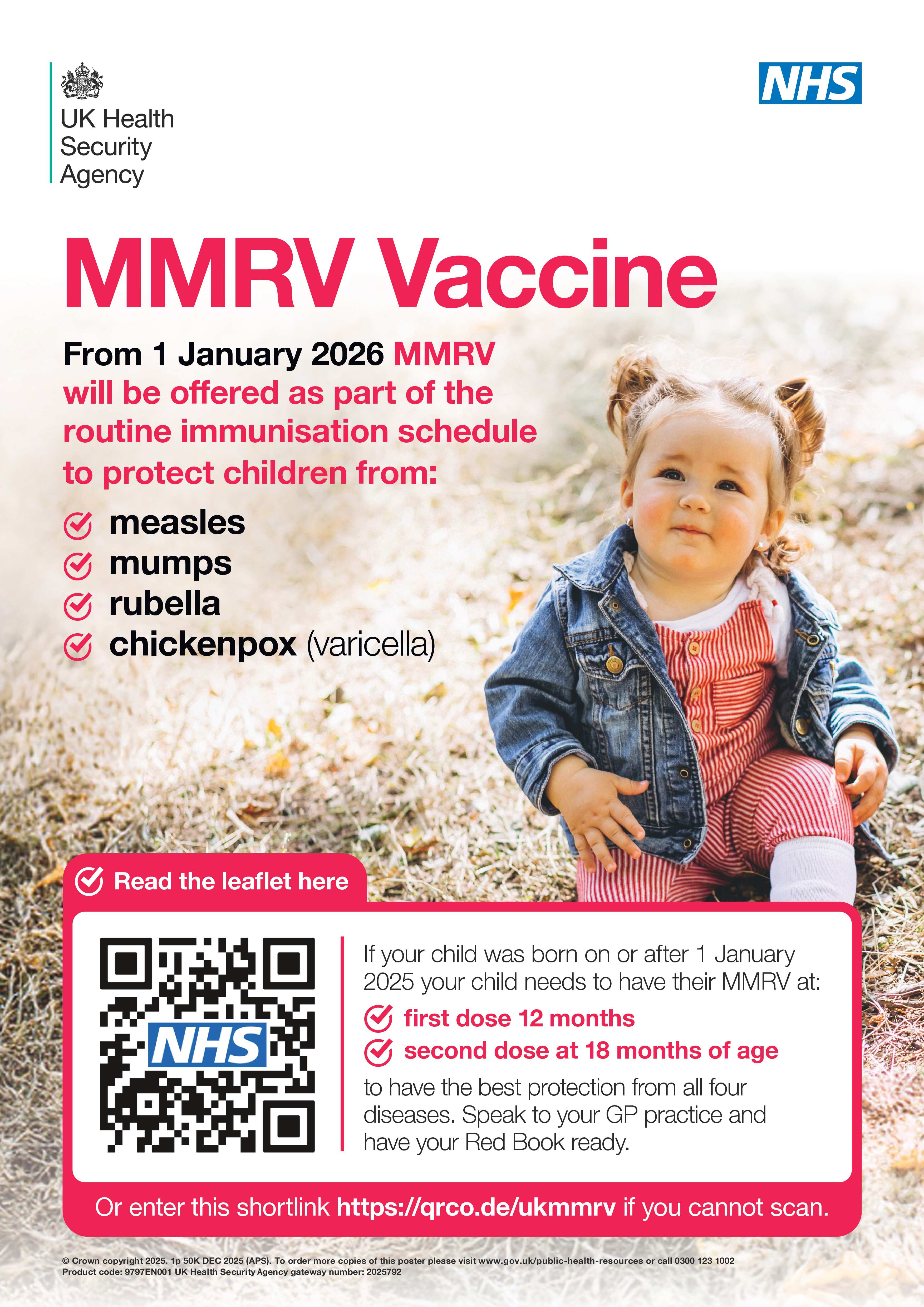
From 1st January 2026, the MMRV Vaccine will be offered as part of the routine immunisation schedule.
All children will be offered a combined mumps, measles, rubella and varicella (MMRV) vaccine.
This will be instead of the measles, mumps and rubella vaccine (MMR).
The first dose will be offered at one year of age and the second dose, at a new 18 month appointment.
Your child will be invited routinely for their appointment when they are due.
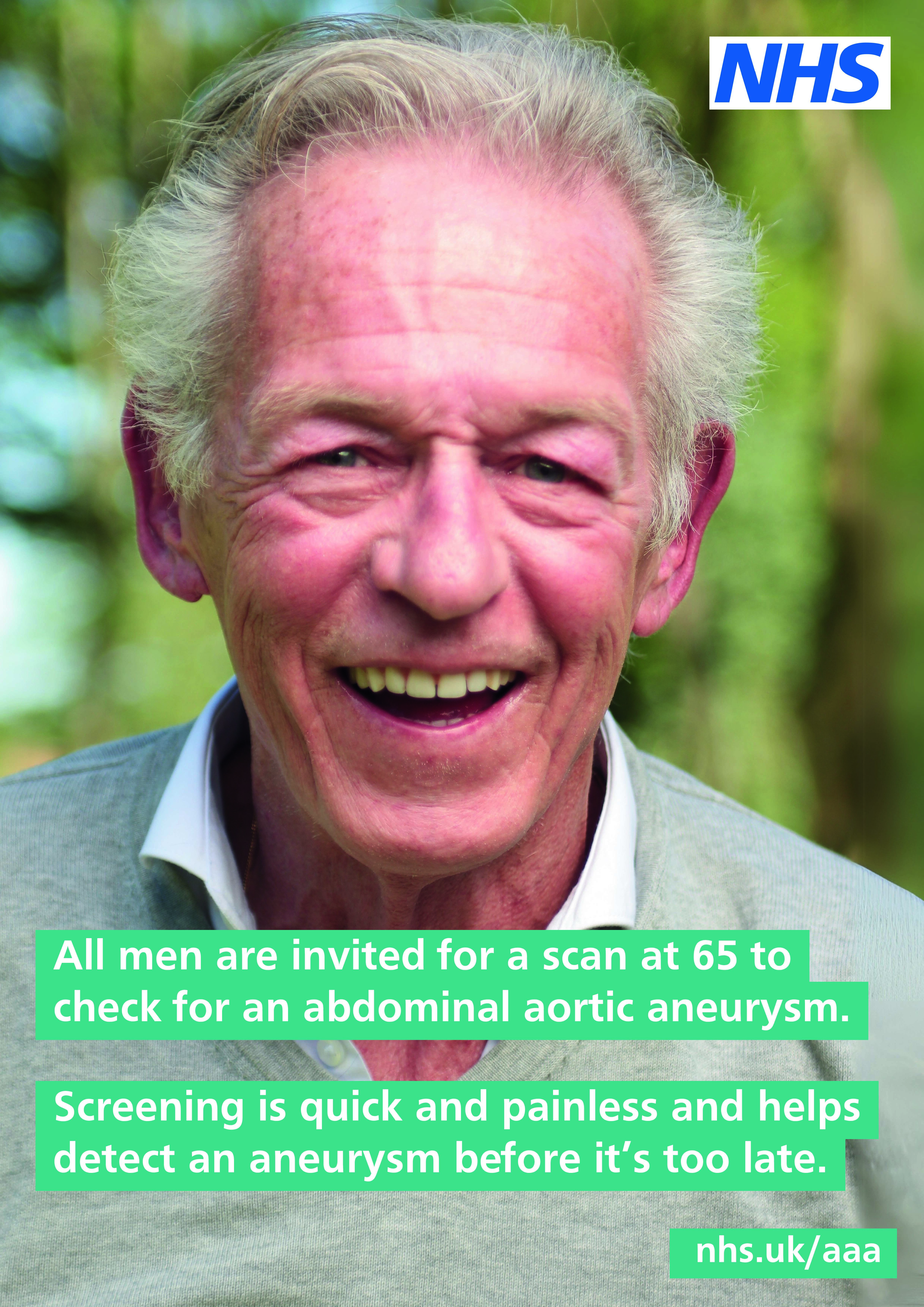
Eligible patients will be invited during 2026 for the NHS Abdominal Aortic Aneurysm screening programme (also called AAA screening).
Screening is offered to all men in the year that they turn 65, to find aneurysms early. This will enable monitoring or treatment and could reduce the risk of the aneurysm causing more serious problems.
Please look out for your letter which will come from the West Surrey & North Hampshire AAA Screening Programme.
The aorta is the main blood vessel that supplies blood to your body. In some people, as they get older, the wall of the aorta in the abdomen can become weak. It can then start to expand and form an abdominal aortic aneurysm. If you have an abdominal aneurysm you will not usually notice any symptoms. This means that you cannot tell if you have one, as you will not feel any pain or notice anything unusual. The condition is most common in men aged 65 and over.
The easiest way to find out if you have an aneurysm is to have a simple ultrasound scan of your abdomen. This is very quick; it usually takes less than 10 minutes and is not painful. In most cases you will get your results on the day, immediately after your scan.
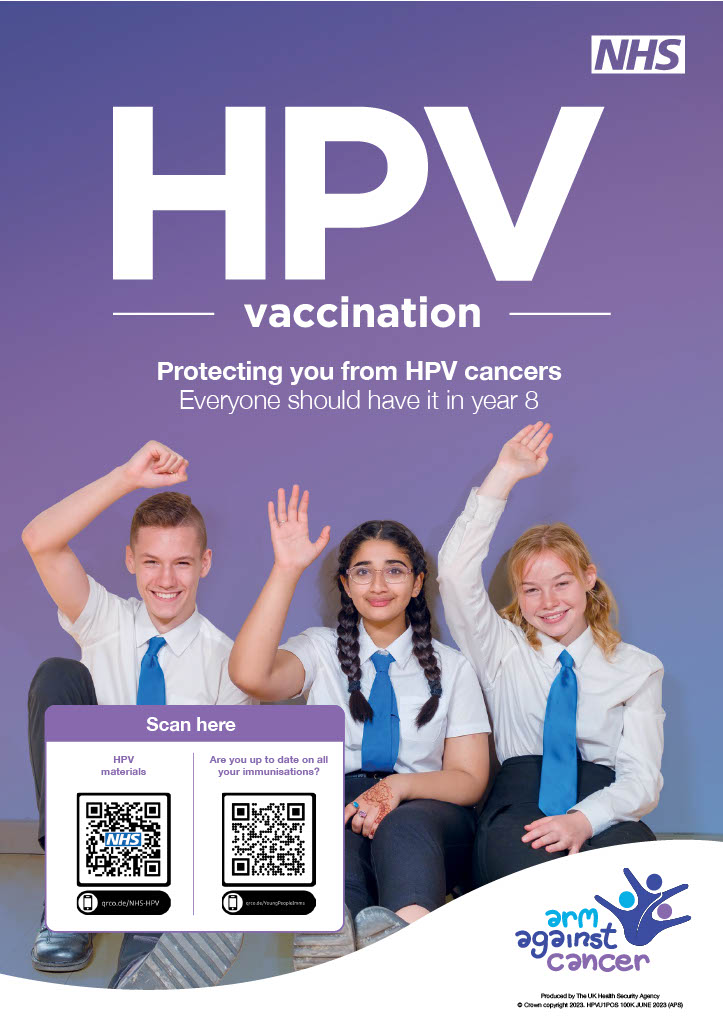
Who is eligible for the HPV vaccine?
- Year 8 schoolchildren (usually aged 12 and 13) are given the HPV vaccine through the school immunisation programme.
- If a child misses their HPV vaccine at school, they can catch up with the vaccine through their school or GP practice and remain eligible to receive it until they turn 25.
- Gay, bisexual and other men who have sex with men (GBMSM) can have the vaccine up to and including 45 years of age from specialist sexual health services and/or HIV clinics regardless of risk, sexual behaviour or disease status.
For more information, visit HPV vaccine - NHS
If you feel you have missed an HPV vaccination and under the age of 25, please contact our Reception Team.
If you or anyone you know uses drugs such as heroin, please remember that your drugs may not always contain what you have been told, you can't tell by just looking. We have been advised the local supply in a nearby community has an extremely dangerous combination of substances which carries a high risk of overdose and serious harm.
Don't use all your drugs at the same time, Don't use alone, Start low and go Slow. Carry naloxone.
Drug samples can be sent for testing by WEDINOS WEDINOS - Welsh Emerging Drugs & Identification of Novel Substances Project
In the event of an overdose act quickly:
1. Call 999 for an Ambulance
2. Check if they are Breathing
3. Put them in the Recovery Position
4. Administer Naloxone: Start with one dose of naloxone and wait a minute or two to see if normal breathing resumes. If it doesn’t, administer another dose of naloxone. Stay with the individual until theambulance arrives.
Please also remind people who are using drugs that synthetic opioids, including nitazenes, are now regularly present in the London drug supply.
Naloxone can be obtained through iaccess, Guildford Action, The Xchange or any of the participating community pharmacies – see www.healthysurrey.org.uk/community-health/community-pharmacies
Being in treatment reduces the risk of overdose. Surrey residents can access treatment from iaccess, where you may be prescribed opioid substitution medication such as methadone so you know what you’re taking, and your risk of overdose may be reduced. Phone: 0300 222 5932

free and confidential advice 24/7 - 0808 802 5000
If you or anyone you know uses drugs such as heroin, please remember that your drugs may not always contain what you have been told, you can't tell by just looking. We have been advised the local supply in a nearby community has an extremely dangerous combination of substances which carries a high risk of overdose and serious harm.
Don't use all your drugs at the same time, Don't use alone, Start low and go Slow. Carry naloxone.
Drug samples can be sent for testing by WEDINOS WEDINOS - Welsh Emerging Drugs & Identification of Novel Substances Project
In the event of an overdose act quickly:
1. Call 999 for an Ambulance
2. Check if they are Breathing
3. Put them in the Recovery Position
4. Administer Naloxone: Start with one dose of naloxone and wait a minute or two to see if normal breathing resumes. If it doesn’t, administer another dose of naloxone. Stay with the individual until theambulance arrives.
Please also remind people who are using drugs that synthetic opioids, including nitazenes, are now regularly present in the London drug supply.
Naloxone can be obtained through iaccess, Guildford Action, The Xchange or any of the participating community pharmacies – see www.healthysurrey.org.uk/community-health/community-pharmacies
Being in treatment reduces the risk of overdose. Surrey residents can access treatment from iaccess, where you may be prescribed opioid substitution medication such as methadone so you know what you’re taking, and your risk of overdose may be reduced. Phone: 0300 222 5932
free and confidential advice 24/7 - 0808 802 5000

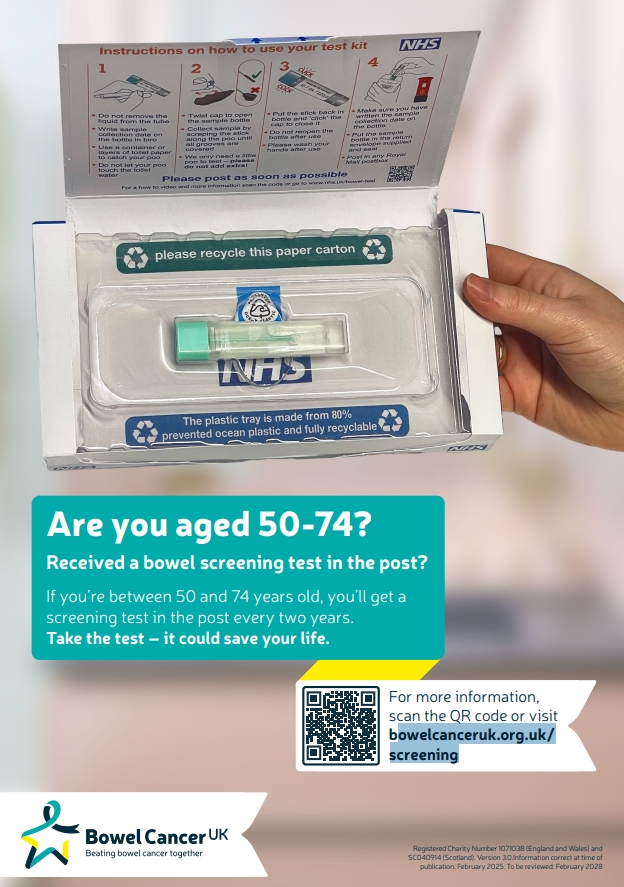
If you’re between 50 and 74 years old, you’ll get a screening test in the post every two years.
Take the test – it could save your life.
For more information visit www.bowelcanceruk.org.uk/ screening
If you’re between 50 and 74 years old, you’ll get a screening test in the post every two years.
Take the test – it could save your life.
For more information visit www.bowelcanceruk.org.uk/ screening
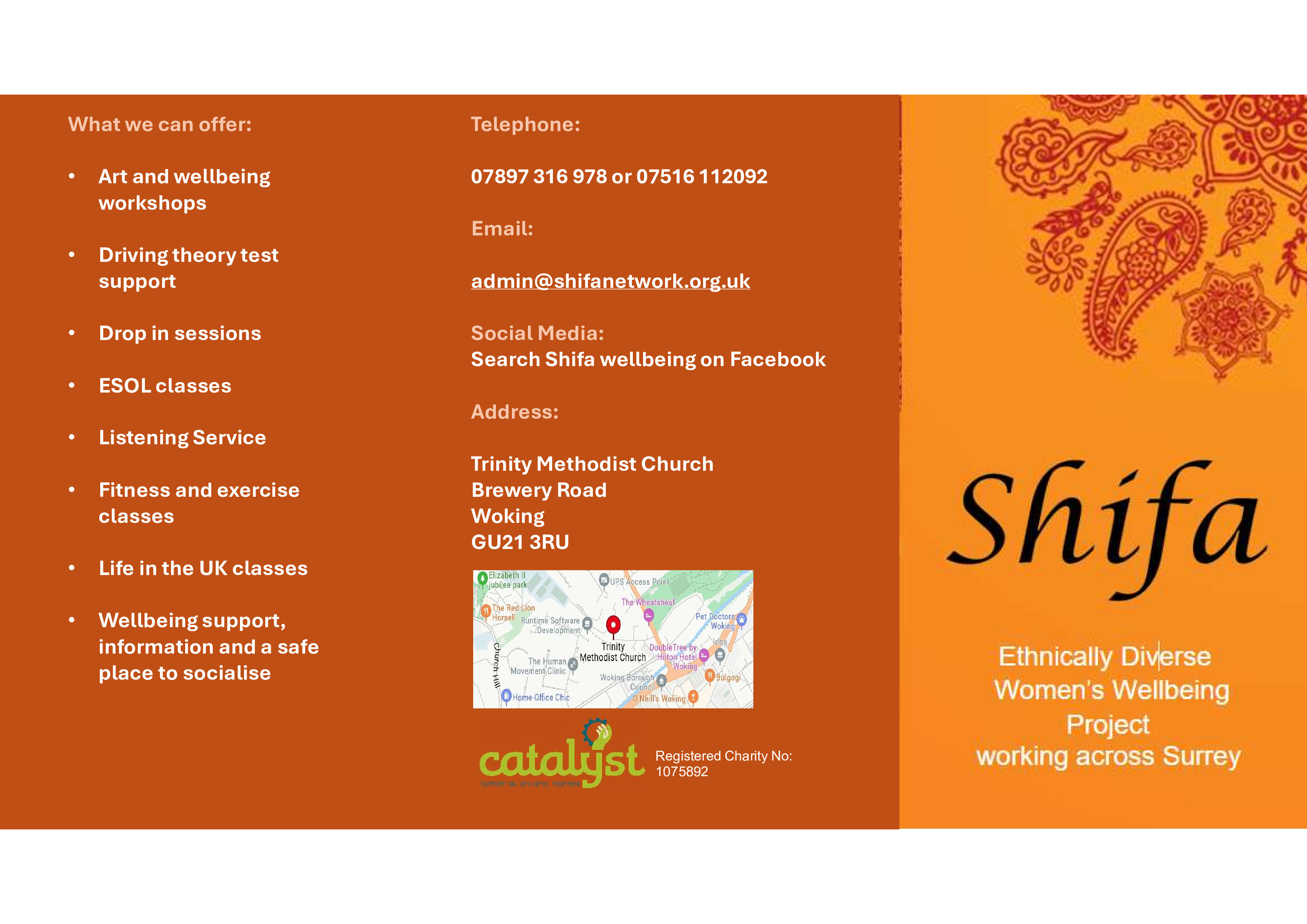
Promoting good mental health and emotional support to ethnically diverse women through empowerment, peer support, developing social skills, and education.
Aim to provide a safe and secure place for women to socialise and learn, provide opportunities for learning lifelong skills to enhance their quality of life and to facilitate empowerment programmes to help women lead independent lives and be able to integrate into mainstream society.
Shifa does not turn anyone away and can support women from all ethnic backgrounds.
They support women who are living with mild to moderate mental health issues, struggling with social isolation, may be new to the UK and or dealing with all finds of family and life issues.
Surrey Fire & Rescue Service offer Safe and Well visits, where they visit homes to provide personalised fire safety advice and if necessary, supply and install fire safety equipment free of charge.
To book a free Safe and Well visit for yourself, or order a loved one or someone you're worried about, do one of the following:
- Visit www.surreycc.gov.uk/safeandwell
- Call free on 0800 085 0767
- Text 07971 691898 with your name and a contact number, your postcode and your primary concern (such as smoke alarms, a disability, or safety concern)
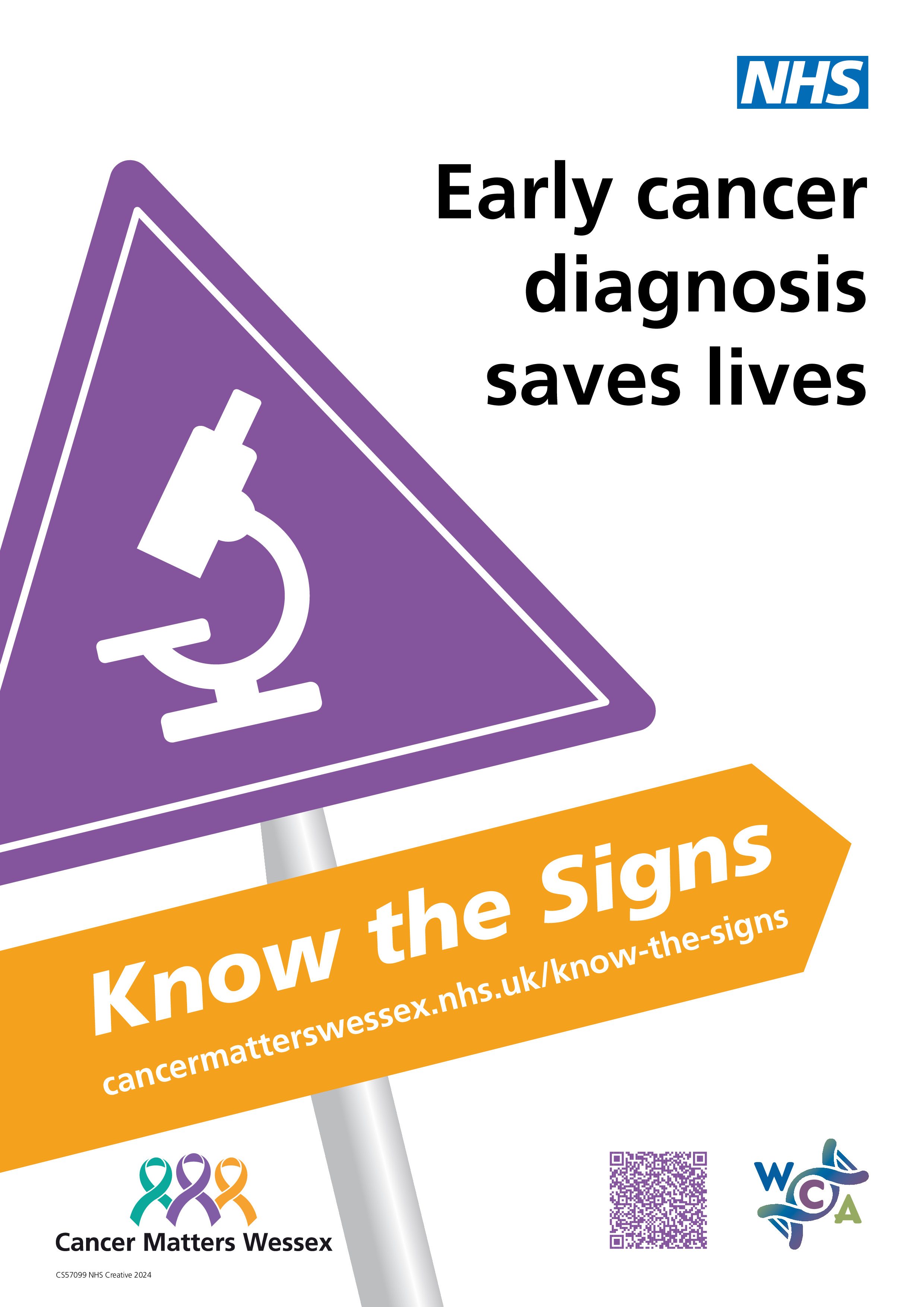
We are supporting Wessex Cancer Alliance with their awareness campaign, ‘Know the Signs’. The aim of this campaign is to improve people’s awareness of the signs and symptoms of cancer.
1 in 2 people will be diagnosed with cancer in their lifetime, so it is really important to know what signs to look out for and when to seek advice from your GP Practice.
We want to help people identify the warning signs and to know when to seek medical advice. If more people know the signs of cancer, then more will have a better chance of surviving their cancer.
Survival rates for cancer have improved so much over the last 50 years that we are now seeing approximately 50% of people diagnosed with cancer surviving for ten years or more – this is even more likely if the cancer is diagnosed at an early stage.
Some of the most common signs and symptoms of cancer are:
A new lump/bump that wasn’t there before.
Sudden, unexplained weight loss
Blood in your poo or your urine
Feeling tired all the time
Breathlessness
Bloating/swelling
Changes to your skin
9 times out of ten, your symptoms will not mean you have cancer, but it is better to know as early as possible so you can rule out cancer or get the treatment you need, quickly.
For further information and links to advice and support please visit the dedicated website www.cancermatterswessex.nhs.uk/know-the-signs
From September 2025, the NHS plans to start sending results from the NHS Cervical Screening Programme utilising the NHS App.
In September, those who have a negative test result will be notified of this by an NHS App message. It will also appear as an NHS App notification. If the NHS App message isn’t read within 72 hours, a letter will be sent as a failsafe.
Abnormal result letters will continue for the time being to be delivered by post.
We would therefore encourage patients to download the NHS App and turn on notifications if they haven't already.
The vaccination programme at the Farnham Vaccination Site has now ended. We will be in contact early next year regarding details of the Spring Booster Campaign.
The Joint COVID and Flu Vaccination Programme at the Farnham Vaccination Centre will begin on October 1st 2025.
Following last autumn's very successful flu and COVID vaccination programme, we are again offering patients the opportunity to receive a flu and COVID vaccination at one appointment at the Farnham Vaccination Site at Farnham Hospital.
We will also be running flu vaccination clinics for those eligible to receive only the flu vaccine.
Eligible patients will be contacted by text message to make a booking for clinics running from October 1st.
Please ensure your contact details are up to date and we have a mobile number on your record.
Patients that are eligible to receive both flu and COVID vaccinations:
- those aged 75 years and over
- Patients who are 6 months or older who are immunosuppressed (please note children aged 6 months to 4 years will be referred for a COVID Vaccination)
- Residents in a care home for older adults
Adult patients eligible for the flu vaccination:
- those aged 65 yrs - 74 yrs (by 31st January 2025)
- Patients aged 18-64 years in clinical risk groups
- pregnant women (note, pregnant woman are eligible to receive their vaccination from 1st September 2025. Please contact the practice if you wish to be vaccinated before 1st October)
- carers in receipt of carer’s allowance, or those who are the main carer of an elderly or disabled person
- close contacts of immunocompromised individuals
- frontline workers in a social care setting without an employer led occupational health scheme including those working for a registered residential care or nursing home, registered domiciliary care providers, voluntary managed hospice providers and those that are employed by those who receive direct payments (personal budgets) or Personal Health budgets, such as Personal Assistants (evidence of frontline worker status will be requested)
Children eligible for a flu vaccination:
All children aged 2 or 3 years on 31 August 2025 or those aged 6 months to less than 18 years who are in a clinical risk group can receive the flu vaccination in practice and will receive a booking invitation via text message.
Please note we are unable to offer a flu vaccine to school aged children who are not in a clinical risk group or do not have an underlying health condition. If your child has missed their vaccination at school, please contact the school nursing team at Southern Health to enquire about catch up clinics. Their email address is: northeasthantsimmunisationteam@southernhealth.nhs.uk or https://childrenshealthsurrey.nhs.uk/services/immunisations
Patients in long-stay residential care homes or who are registered with the Practice as housebound will be contacted by the Vaccination Team separately.
For further information on flu and COVID vaccine eligibility please visit www.nhs.uk/vaccinations/flu-vaccine/ or www.nhs.uk/conditions/covid-19.
NHS England is urging eligible pregnant women to speak to their maternity service about getting the respiratory syncytial virus (RSV) vaccine from 28 weeks to ensure their babies are protected ahead of winter.
RSV is a leading cause of infant mortality and a main cause of child hospitalisations every year – with almost 7,000 bed days taken up by children with RSV last winter in England. Thanks to the hard work of GP and maternity services, vaccination teams and pharmacies across the country, NHS staff have now delivered more than two million RSV vaccinations to eligible people since the rollout kicked off (2,061,474).
The NHS England social media team has launched a new official NHS WhatsApp Channel, designed to get trusted health information straight to the public’s phones. The channel will be sharing short, visual updates on public health campaigns, health alerts and seasonal advice, key NHS announcements and myth-busting and fact-checking content.
The channel can be found on a phone or by searching ‘NHS’ in the WhatsApp ‘Updates’ tab.
A new maternity services finder is available on NHS.UK to help women self-refer directly into maternity services to start NHS pregnancy care.
By completing a simple online form on NHS.uk, mums-to-be can now refer themselves directly to their local maternity services without seeing a GP first.
The new NHS England service enables families to choose which NHS trust to refer themselves to, helping them to meet their midwife and begin NHS pregnancy care as early as possible. While most women do not need to see a GP before they start their pregnancy care with their midwife, anyone can still request to see their GP if they’d like to – and those with other health conditions will still be encouraged to meet with their doctor to discuss any changes to their existing care.
We have recently been advised by NHS Frimley that we should no longer prescribe sedating drugs such as benzodiazepines for the use of treating "fear of flying".
This decision is based on:
- The British National Formulary states that "the use of benzodiazepines to treat short-term 'mild' anxiety is inappropriate
- Although emergencies in the air are a rare occurrence, there are concerns that the reduced awareness and reaction times of people taking a benzodiazepine would pose a risk if they are not able to act in a manner which could save their life in the event of an onboard emergency such as one necessitating evacuation
- There are concerns about paradoxical agitation; a person taking a benzodiazepine becomes unexpectedly more agitated and violent, which can pose a risk on the plane.
- Benzodiazepines are not recommended for people with phobic states, as they may lead to an increased anxiety in the long term, especially if used repeatedly
- The sedating effects can reduce respiratory function which has the potential to be life threatening, particularly if combined with alcohol. This risk has the potential to be further heightened by the effects of the lower oxygen environment when flying at altitude
- The use of benzodiazepines gas the potential to increate the risk of deep vein thrombosis due to reduced movement
- For some countries it is illegal to import benzodiazepines and so the passenger will need to use a different strategy for the homeward bound journey and / or any subsequent legs of the journey
Instead, we recommend either self-referral to NHS Talking Therapies NHS Talking Therapies for Anxiety & Depression - TalkPlus Hypnotherapy or the aviation industry recommends flight anxiety courses for people with fear of flying. These are run by several major airlines and sometimes by local airports. The following aviation industry-approved flight anxiety courses are widely accessible:
- EasyJet Fearless Flyer: https://fearlessflyer.easyjet.com
Tel: 0203 813 1644 - British Airways Flying with Confidence: https://flyingwithconfidence.com
Tel: 01252 793250 - Virgin Atlantic https://flywith.virginatlantic.com/bb/en/wellbeing-and-health/flying-without-fear.html Tel: 0344 874 7747
Please therefore be aware that medication requests for this reason will not be actioned.
Frimley Health and Care are excited to announce the launch of WorkWell, a new UK Government-funded service supporting individuals with health conditions or disabilities to start, stay in or return to work.
WorkWell offers early intervention and tailored support for those facing health-related barriers to employment. The service is open to anyone aged 16 and over who is struggling with health issues that impact their ability to start, stay in, or return to work. More information available on their website.
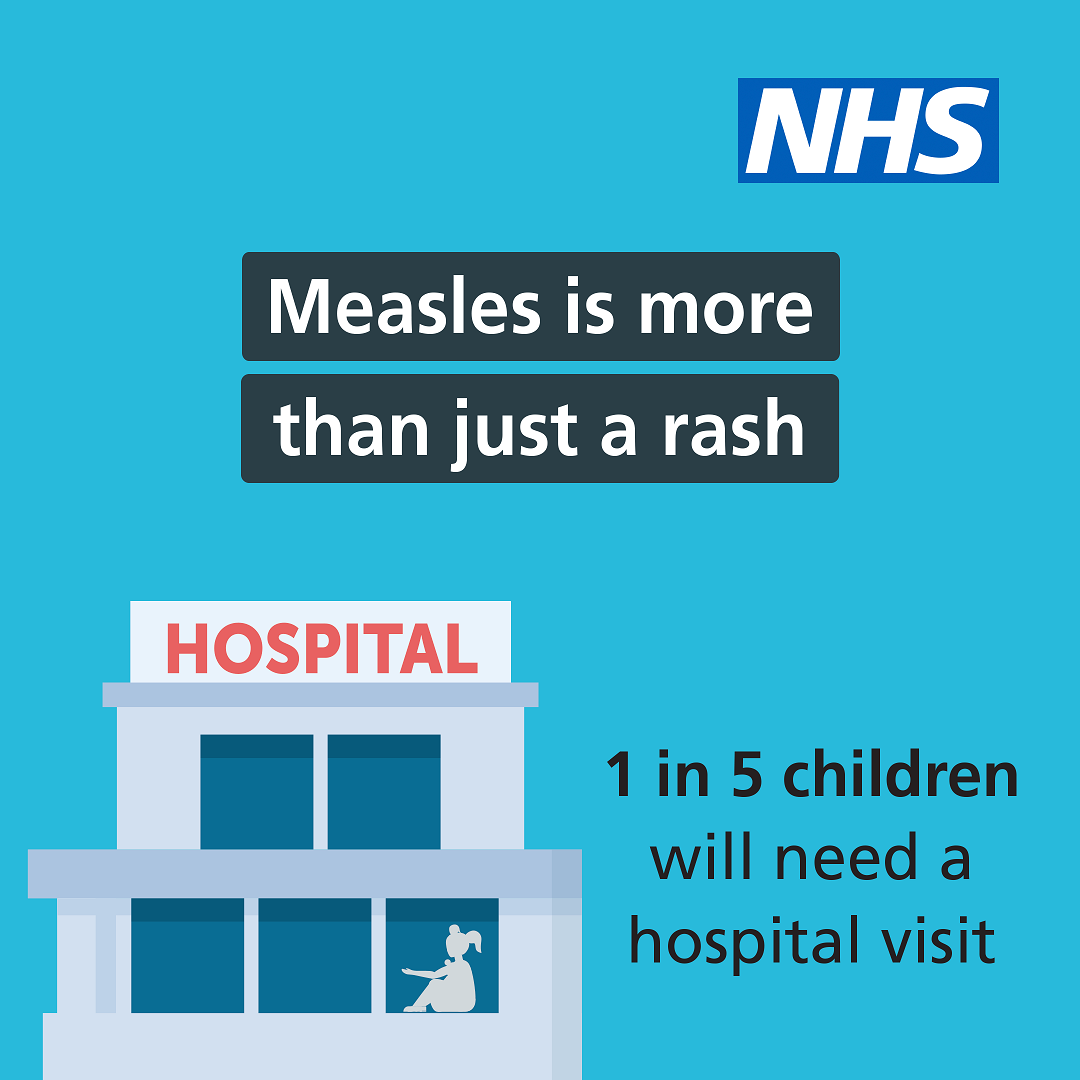
There are ongoing measles outbreaks in a number of regions in England, with 109 cases confirmed in April and 86 in May. The ongoing outbreaks primarily affected unvaccinated children under 10, with London accounting for nearly half of all cases.
We are therefore warning parents that the upcoming summer travel season could trigger a new surge in cases as families visit countries experiencing their own measles outbreaks. This comes amid a significant global increase, with European cases already double the number reported last year - the highest since 1997.
We are therefore urging parents to book their children in for their missed measles, mumps, and rubella (MMR) vaccine to protect them from becoming seriously unwell. NHS figures show more than 3.4 million* children under the age of 16 years are either unprotected or not fully protected and at risk of catching these serious and completely preventable diseases. Measles is a serious illness, and one in five children who get the disease have to be admitted to hospital for treatment.
Two doses of the safe and effective MMR vaccine are needed for maximum life-long protection, with the first dose given around the child’s first birthday, and the second dose given at 18 months. However, anyone can catch up at any age on any missed doses and it’s never too late to protect yourself.
So we would urge you to check if you and your children have received two doses of the vaccine and if you are in any doubt please contact the practice.
www.england.nhs.uk/2024/01/nhs-launches-catch-up-campaign-for-missed-mmr-vaccines/
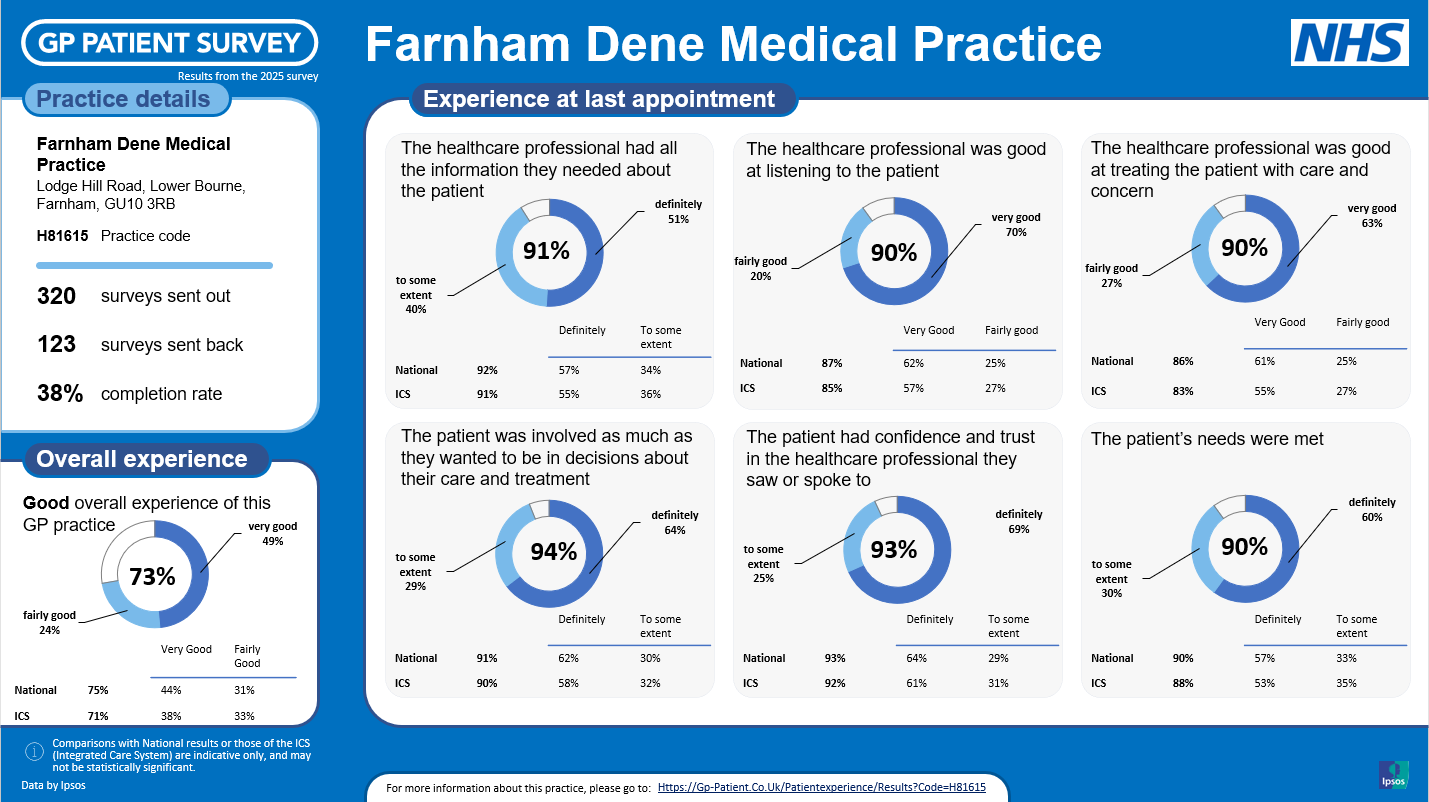
The 2025 GP Patient Survey results, which include information on patient experience of general practice, NHS Dentistry and community pharmacy, were published on 10th July.
Of the 320 surveys that were sent out to Farnham Dene patients, 123 were completed and of these 73% of patients said they had a good overall experience of our practice.
Further headlines include
- 63% of patients had good overall experience of contacting the practice
- 87% of patients reported the reception and admin teams to be helpful
- 86% of patients knew what the next step would be after contacting the practice
- 90% of patients said the healthcare professional was good at listening
- 90% said the healthcare professional was good at treating the patient with care and concern
- 94% of patients were involved as much as they wanted to be in decisions about their care and treatment
- 93% of patients had confidence in the healthcare professional they saw or spoke to
- 90% of patients felt their needs were met
Many of these figures are above the national average, so we feel this is a positive reflection of the hard work our team put into providing the highest level of care for our patients
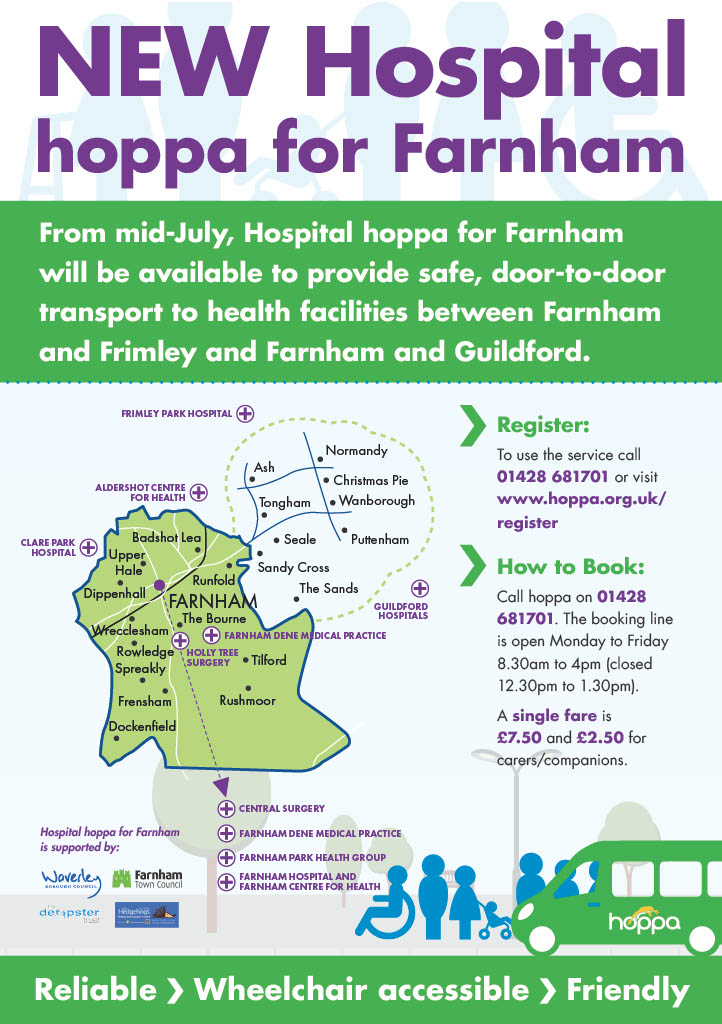
Launching on 21st July 2025
Who can use the service
Hospital hoppa for Farnham is for people who live in Farnham and surrounding villages which includes Badshot Lea, Upper Hale, Dippenhall, Wrecclesham, Rowledge, Spreakly, Frensham, Dockenfield, Rushmoor, Tilford, The Bourne and Runfold.
Where you can go on Hospital hoppa
We can take you to your appointment at any of the following:
- Frimley Park Hospital
- Farnham Hospital
- Aldershot Centre for Health
- Clare Park Hospital, Farnham
- The Royal Surrey County Hospital, Guildford
- St Luke’s, Guildford
- Mount Alvernia, Guildford
- The Jarvis Centre, Guildford
- Doctors’ surgeries
- Any other health facility between Farnham and Guildford and Farnham and Frimley.
Ticket price
A one-way ticket on Hospital hoppa for Farnham costs £7.50 and £2.50 for carers/companions.
How to book
To start using the service customers need to register their details. This can be done by visiting www.hoppa.org.uk/register or by calling 01428 681701.
Once registered, customers can book their seat by calling us on 01428 681701.
How the service has been funded
We have raised enough money to run the service for an initial six months. This is thanks to funding from Farnham Town Council, Waverley Borough Council, The Dempster Trust and Farnham Hedgehogs.
Further information
If you would like to know more about the service please visit www.hoppa.org.uk, email enquiries@hoppa.org.uk or call 01428 681701.
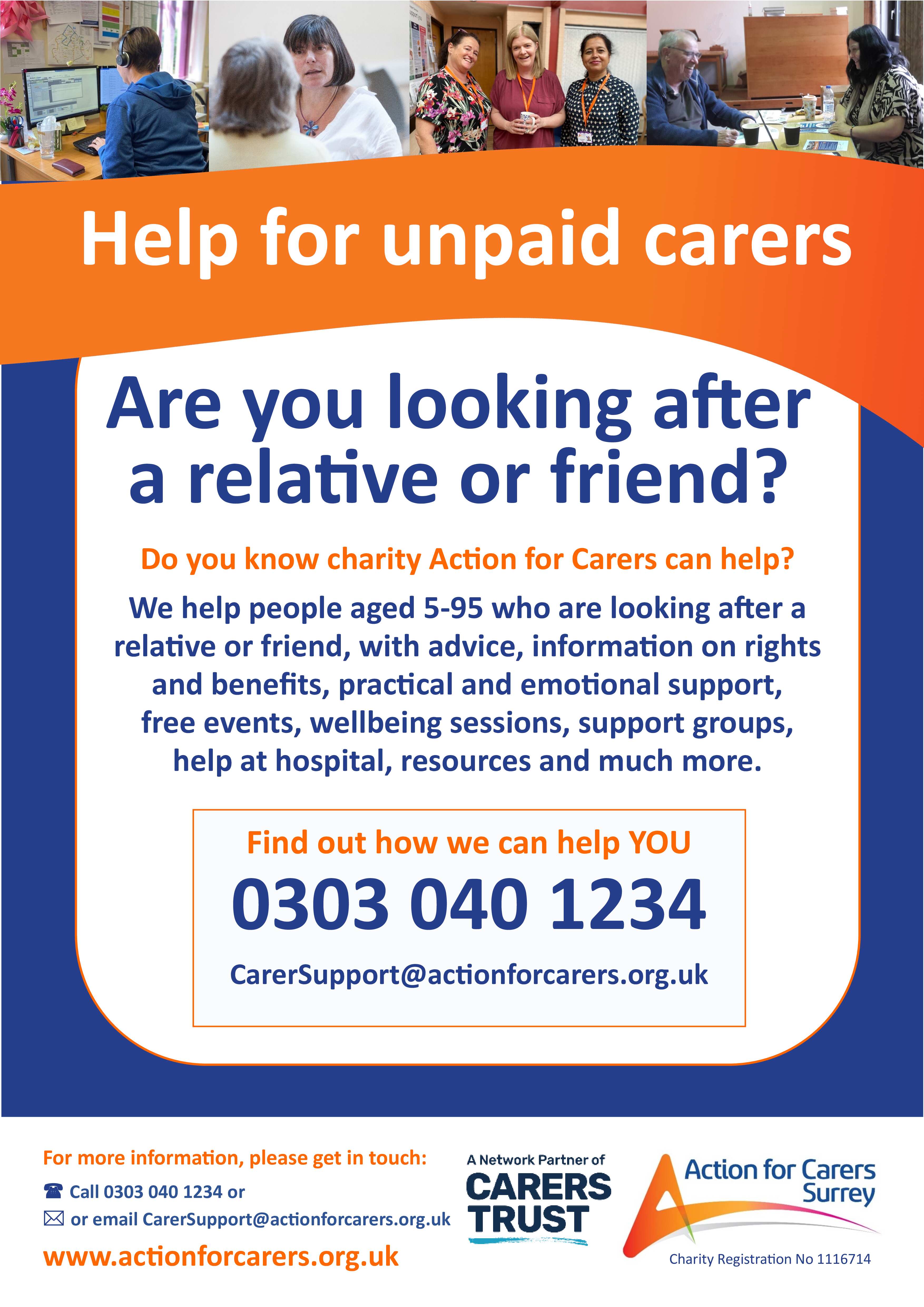
Don't miss out on the support you're due
If you support someone who is ill, disabled, frail, or has a mental health or addiction issue, then you ARE a carer.
Action for Carers can offer help with benefits, advice on your rights, support groups, practical care, wellbeing events, free days out, and more.
Not sure if you are a carer - answer 3 quick questions to find out Missing 100k | Action for Carers
Register to access free advice, guidance and the recognition you deserve Action for Carers | Supporting carers of all ages across Surrey
You may have seen recent media coverage about Tirzepatide (also known as Mounjaro), an injectable medication for weight loss.
The medication has now been approved for NHS use in England, however we are currently waiting for official guidance on how and when we can prescribe this medication in general practice.
Locally, our NHS commissioner, Frimley Integrated Care Board, is working to set up the necessary services to support this treatment. Whilst we wait for the pathway to be launched, we are unable to prescribe Mounjaro, or any other injections for weight loss, at the current time. We are not operating any wait list. As soon as we receive clear protocols and guidance, we will provide an update on our website.
The current Tirzepatide eligibility criteria set out nationally is:
* A BMI of 40 or more
plus Four or more of the following diagnosed conditions:
* Type 2 diabetes
* High blood pressure (hypertension)
* Cardiovascular disease
* Obstructive sleep apnoea
* Dyslipidaemia
You don’t need to wait for new treatments to become available, there is already help at hand. Free local weight loss support programmes are available through One You Surrey. This service can help you take steps towards a healthier weight right away.
Visit their website www.oneyousurrey.org.uk for more details on how you can self-refer to one of their programmes.
Thank you for your patience and understanding.
Most tick bites are harmless and only a small number of ticks are infected with the bacteria that cause Lyme disease. A tick bite can only cause Lyme disease in humans if the tick has already bitten an infected animal.
Ticks that may cause Lyme disease are found all over the UK, but high-risk areas include grassy and wooded areas in southern England.
Ticks are most active in spring, summer and early autumn. Symptoms appear on average 14 days after the tick bite, however can occur between 2 days and 3 months.
Symptoms of Lyme disease can include:
- A circular red rash around the area of the bite. The rash may be white in the middle and look like a “bulls eye”
- Hot & shivery
- Headaches
- Aching joints and muscles
- Muscle weakness
- Extreme tiredness
- Tender glands
- Feeling sick
- Facial weakness (droop on one side of the face)
Treatment for Lyme disease is with antibiotics and is most effective if started as early as possible.
If you have had a tick bite with no symptoms no treatment is required and we are unable to offer preventative antibiotics. If you do have any of the above symptoms after a bite, please submit a Healthier Together request for children (choosing "Something Else" option), or a Rapid Health request for adults.
If the tick is stuck in the skin and you are unable to remove it, patients are advised to go to Haslemere Minor Injuries Unit or Woking Walk-in Centre. If you have not tried to remove the tick you should visit the pharmacy and buy a tick removal kit, which are available in different sizes.
For more information please visit Lyme disease - NHS
Please be aware that asking for blood tests requested by private specialists falls outside the scope of our NHS contract and our clinicians are under no obligation to arrange these.
Clinicians will consider requests on a case-by-case basis, and should they feel that the proposed investigations are clinically appropriate and are competent to both interpret them and manage the care of the patient accordingly, then they may agree to arrange.
However, the ultimate decision rests with the individual clinician and it is important to understand, when accessing private care, that Farnham Dene is under no obligation to arrange suggested investigations by private specialists.
From July 1st, we’re introducing a more streamlined and secure process for non-NHS services. To enhance efficiency and provide a smoother experience, all non-NHS requests will now be handled with simple prepayment.
When you make a request, you'll receive an invoice via text or email, complete with a secure payment link.
Please note that work will only be undertaken once payment has been received and verified by our team. This ensures we can manage requests more effectively and avoid unnecessary delays.
We're also making it even easier to pay in person — card payments will be accepted at our reception desks at both Farnham Centre for Health and The Bourne.
These updates are part of our ongoing commitment to improving service and making your experience as smooth and hassle-free as possible.

If you or a family member have served, or if you support members of the Armed Forces community, the free Forces Connect app can signpost you to a broad range of support and advice.
If you or a family member have served, or if you support members of the Armed Forces community, the free Forces Connect app can signpost you to a broad range of support and advice.
We're proud to be a Veteran Friendly Accredited GP practice and to support our veteran community,
There is now a directory of resources available on Frimley's Healthier Together webpage to help military parents manage healthcare for their children while coping with the added stressors of military life.
This directory includes:
- Understanding of the Armed Forces Covenant
- NHS waiting lists when moving UK postings
- Supporting a child through parental deployment
- Healthcare when moving overseas
- Military specific mental health resources for children
- Family support in case of an unwell military family member
- Support for children with additional needs
- Bereavement support
- Podcasts and peer support groups
To read more visit Military Families :: Frimley HealthierTogether
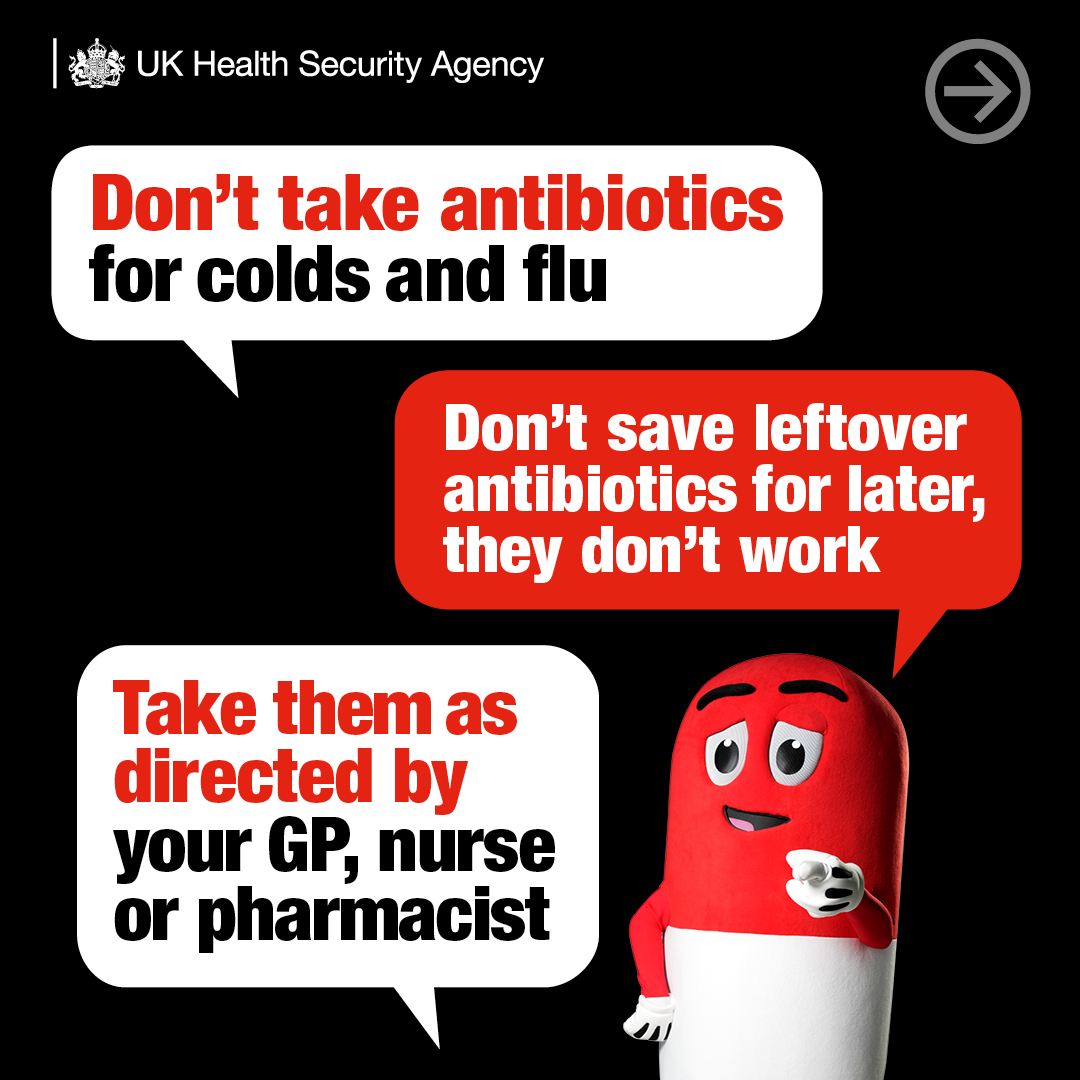
Ensure antibiotics keep working for us all in the future
Using antibiotics correctly ensures we can tackle antibiotic resistance by following these simple steps
Ensure antibiotics keep working for us all in the future
Using antibiotics correctly ensures we can tackle antibiotic resistance by following these simple steps
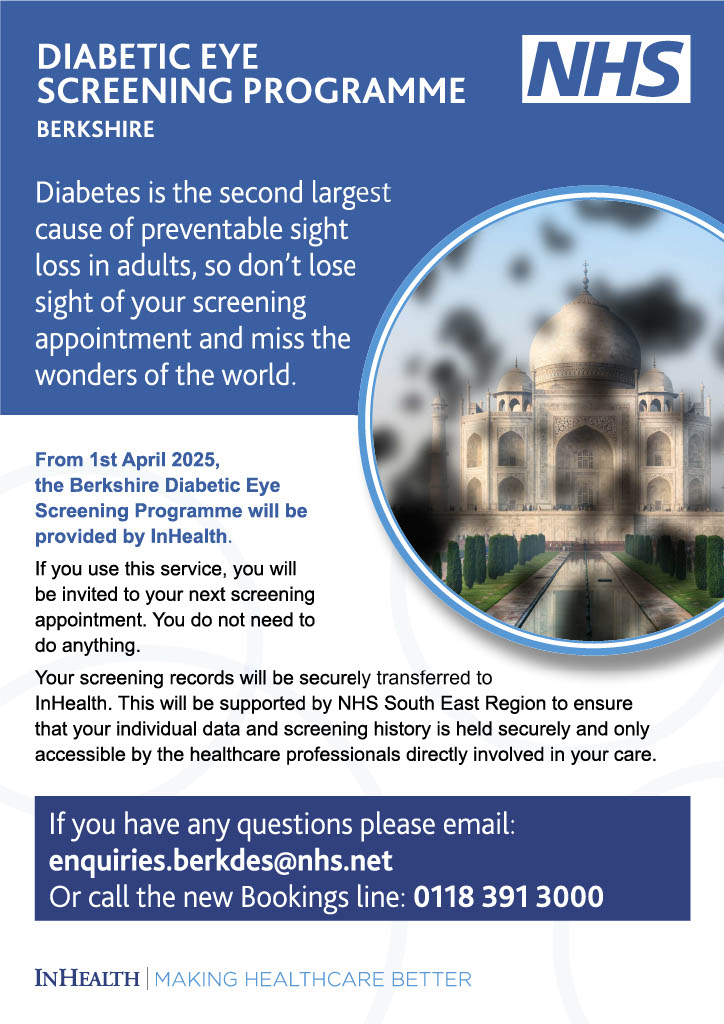
Patients with Diabetes are advised that the Eye Screening Programme is now know as the Berkshire Diabetic Eye Screening and is managed by InHealth. You will be contacted by letter with an appointment. If you wish to change this appointment, or have any general screening queries, please telephone the Patient Engagement Centre on 0118 391 3000, open Monday - Friday 8am-8pm, Saturday 8am-12pm or email enquiries.berkdes@nhs.net
Queries about results should be made to the Failsafe Team Monday to Friday 9am-5pm on 0118 391 4518
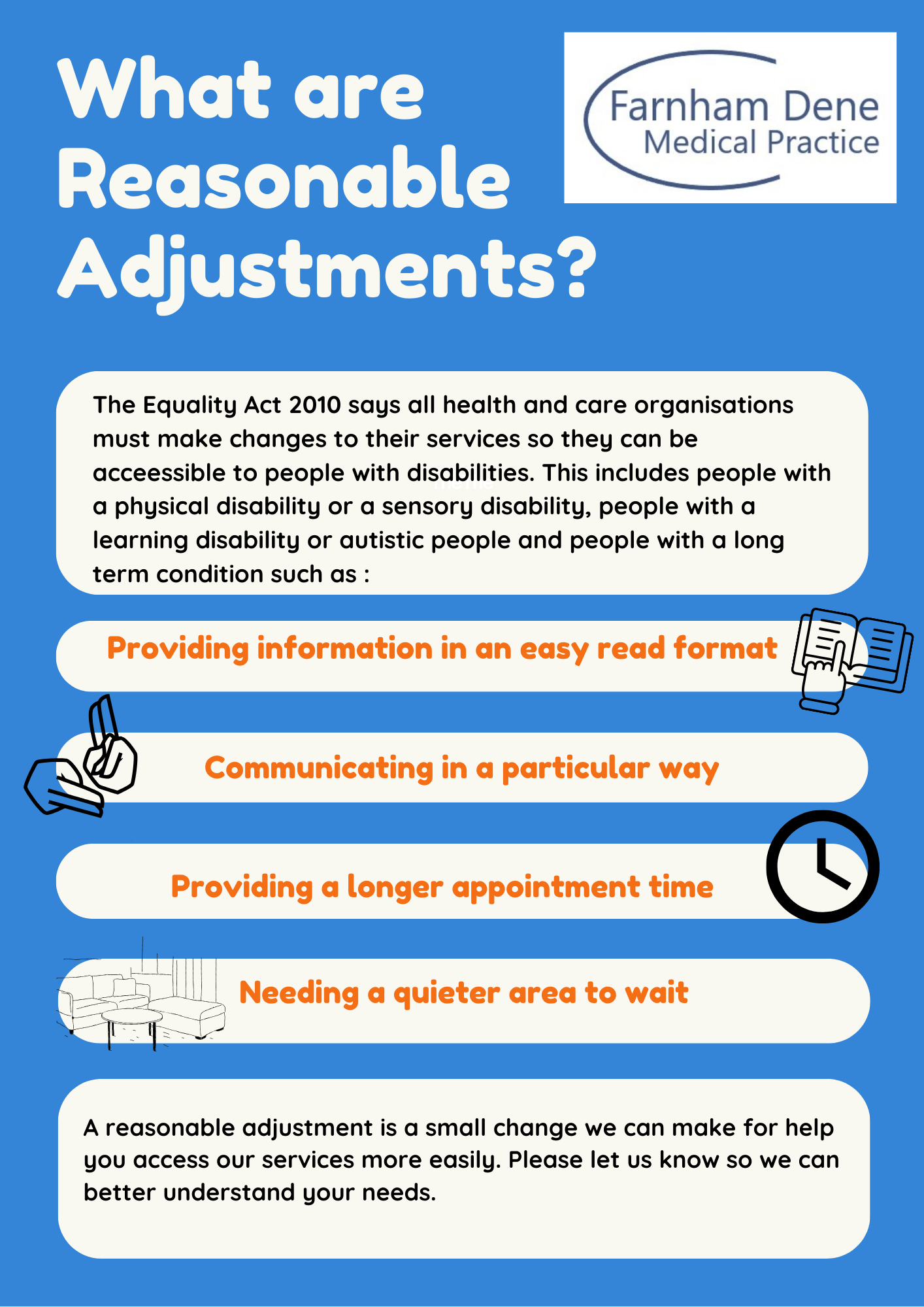
The Equality Act (2010) states all organisations, including hospitals and GP surgeries, must take steps to remove the barriers individuals face because of disability.
The NHS must make it as easy for disabled people to use health services as it is for people who are not disabled.
If you have a physical or mental impairment that has a substantial and long-term adverse affect on your ability to do normal daily activities, you may require small changes to help you access healthcare - these are called reasonable adjustments.
If you feel your needs require a reasonable adjustment, for example; easy read leaflets, appointment letters, large font leaflets, a British Sign Language Interpreter, a quieter room for you to wait in, wheelchair accessibility or even to be seen with your Carer, please let us know and we will record this information on your record. You can do this by telling a receptionist, GP or nurse the adjustments you need, or by completing a form found in the waiting room or downloaded here. It is best to do this prior to attending an appointment so we can make the necessary adjustments in advance.
The Reasonable Adjustments Digital Flag is a national record which indicates that Reasonable Adjustments are required for an individual. NHS England have built the Reasonable Adjustment Digital Flag in the NHS Spine to enable health and care professionals to record, share and view details of reasonable adjustments across the NHS, wherever the person is seen and/or treated. If you are happy for us to share your reasonable adjustments with other healthcare settings please ensure you give us your consent to do so.
For more information please read our Reasonable Adjustment Patient Policy.
If you are a smoker, you might receive a text message from us about local services that can help you to quit. Quitting smoking is a normal thing to do and is one of the best things you can do for your health. It will improve your ability to recover after illness or injury and it can even make some medications work better, meaning you might be able to reduce the dosage. If you receive a message from us, please take action, follow the advice and make use of the free stop smoking services available to you. Take control of your health! Whether you receive a text message or not, there's free help available to support you to becoming smoke-free. Visit our Quitting Smoking pages for more information and contact details: www.frimleyhealthandcare.org.uk/quitsmoking
If you are a smoker, you might receive a text message from us about local services that can help you to quit. Quitting smoking is a normal thing to do and is one of the best things you can do for your health. It will improve your ability to recover after illness or injury and it can even make some medications work better, meaning you might be able to reduce the dosage. If you receive a message from us, please take action, follow the advice and make use of the free stop smoking services available to you. Take control of your health! Whether you receive a text message or not, there's free help available to support you to becoming smoke-free. Visit our Quitting Smoking pages for more information and contact details: www.frimleyhealthandcare.org.uk/quitsmoking
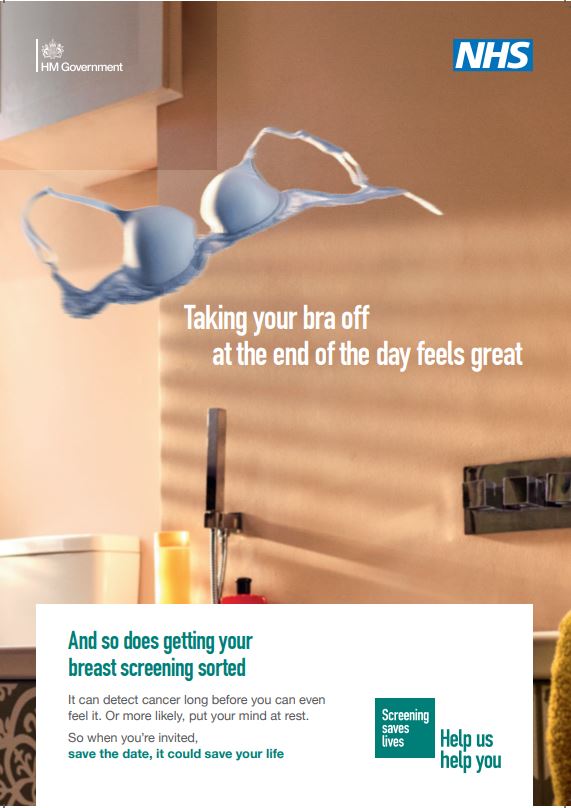
Help Us, Help You
Breast cancer is the most common type of cancer in women in England. Regular breast screening is one of the best ways to spot a cancer that is too small to feel or see yourself – it saves around 1,300 lives each year in the UK..
Anyone registered with a GP as female aged from 50 up to their 71st birthday will be invited for NHS breast screening every 3 years. You'll get a letter in the post inviting you. Breast screening can detect cancer long before you can even feel it. Or more likely, put your mind at rest. So when you're invited, save the date, it could save your life. Search ‘NHS breast screening’ to find out more.
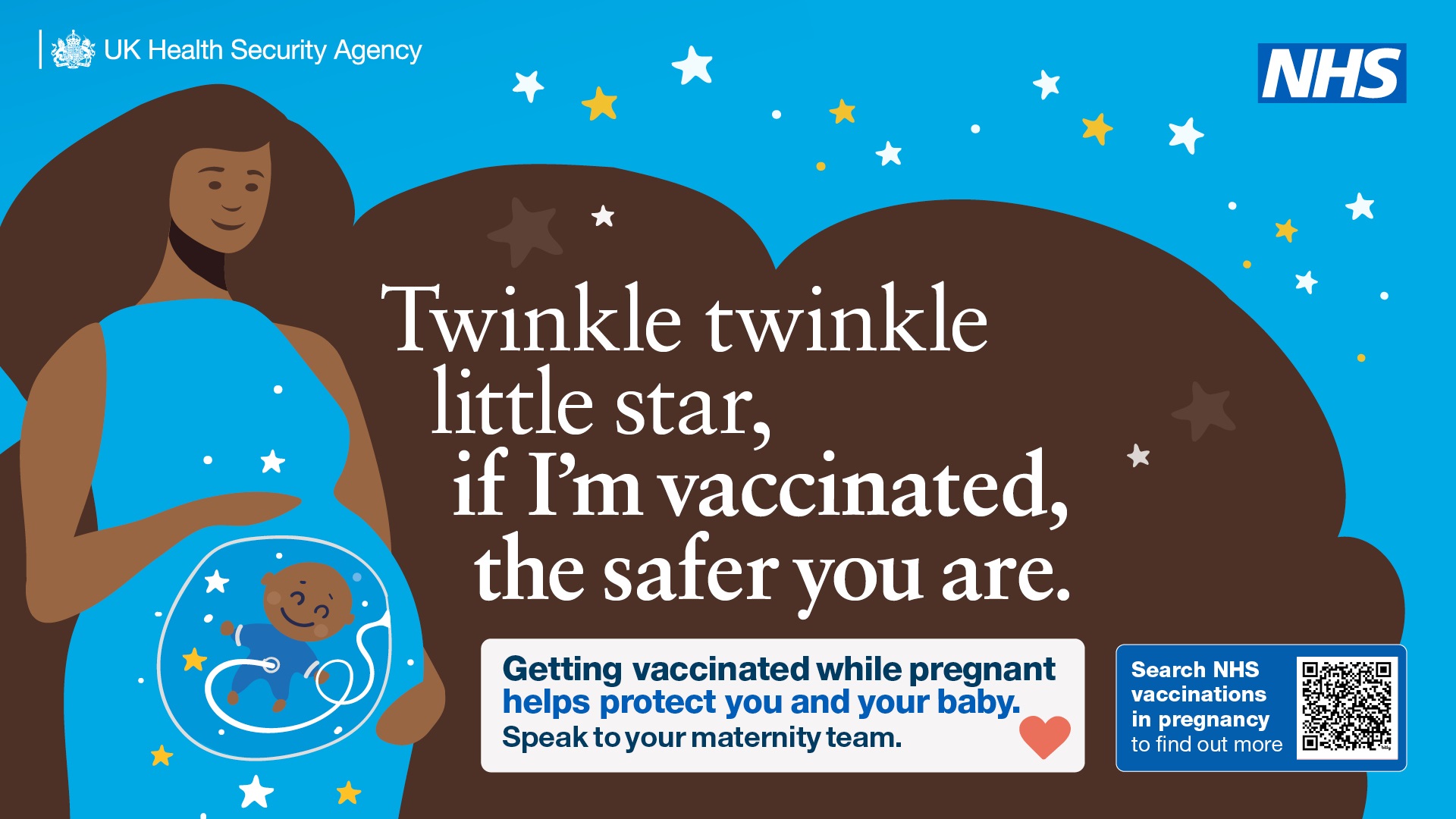
Getting vaccinated while you’re pregnant helps protect your baby, visit the NHS webpage to learn more.
nhs.uk/pregnancy/keeping-well/vaccinations/
Getting vaccinated while you’re pregnant helps protect your baby, visit the NHS webpage to learn more.
nhs.uk/pregnancy/keeping-well/vaccinations/
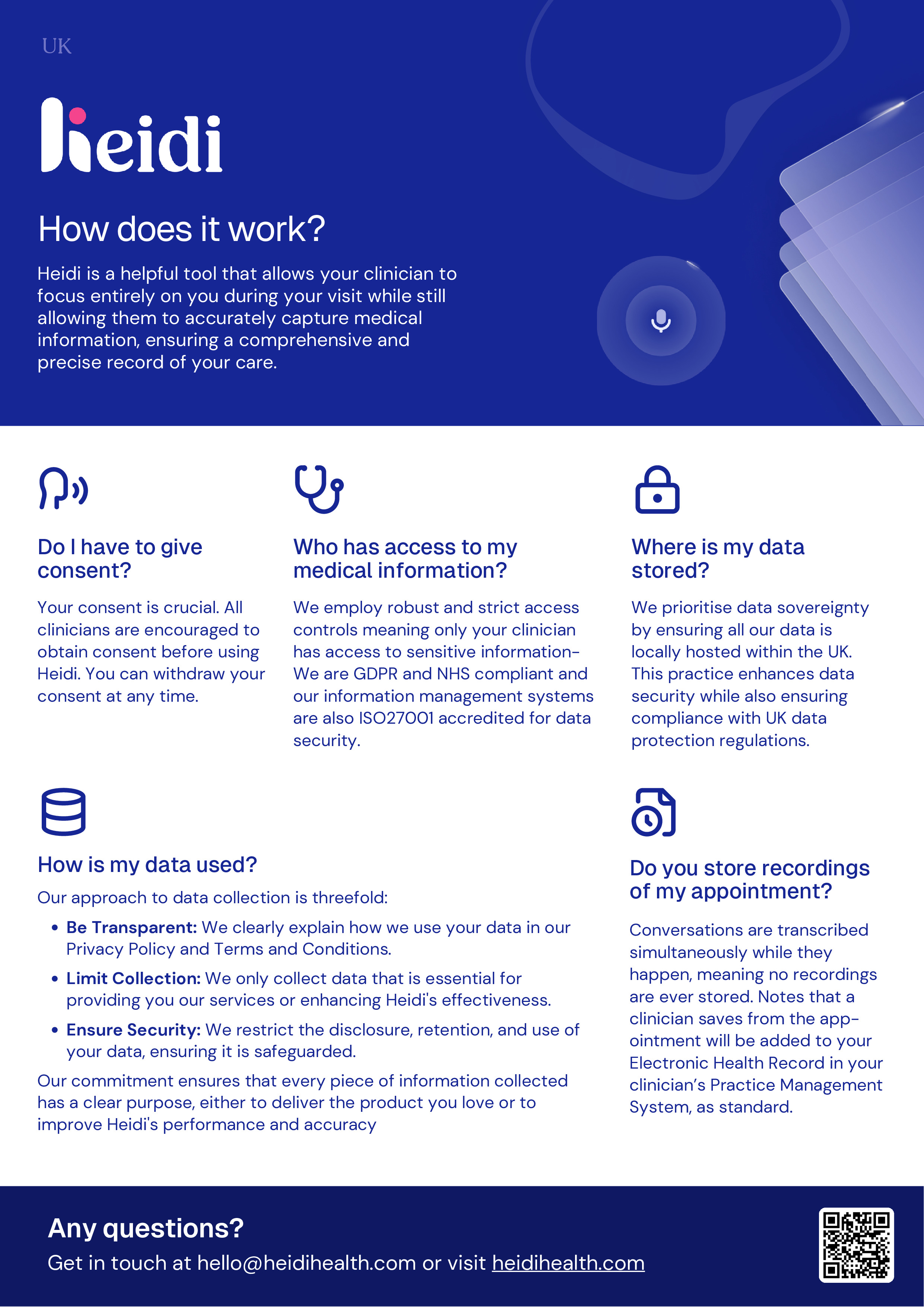
Farnham Dene are committed to delivering the best possible care to our patients. To enhance the quality and efficiency of our consultations, our clinicians may use Heidi Health AI Scribe during your appointment.
What is Heidi Health AI Scribe?
Heidi Health AI Scribe is an advanced, secure digital assistant designed to support clinicians during consultations. It uses artificial intelligence to document medical notes, ensuring your clinician can focus on actively listening to your concerns and delivering personalised care, rather than spending time manually recording the notes. Clinicians review and approve the notes that have been captured prior to adding to the patient record.
- Improved interaction - allows clinicians to focus solely on the patient during the consultation
- Accurate documentation - helps create precise, clear and detailed medical notes for the patient record
- Time Efficiency - streamlines administrative tasks, giving clinicians more time to spend with patients
Patient Consent
Your privacy and comfort are our top priorities. Heidi Health AI Scribe only processes information discussed during your appointment and operates within strict privacy and data protection regulations. Before using Heidi AI Scribe your clinician will explain it's role and seek your verbal consent. You have the right to decline it's use at any time.
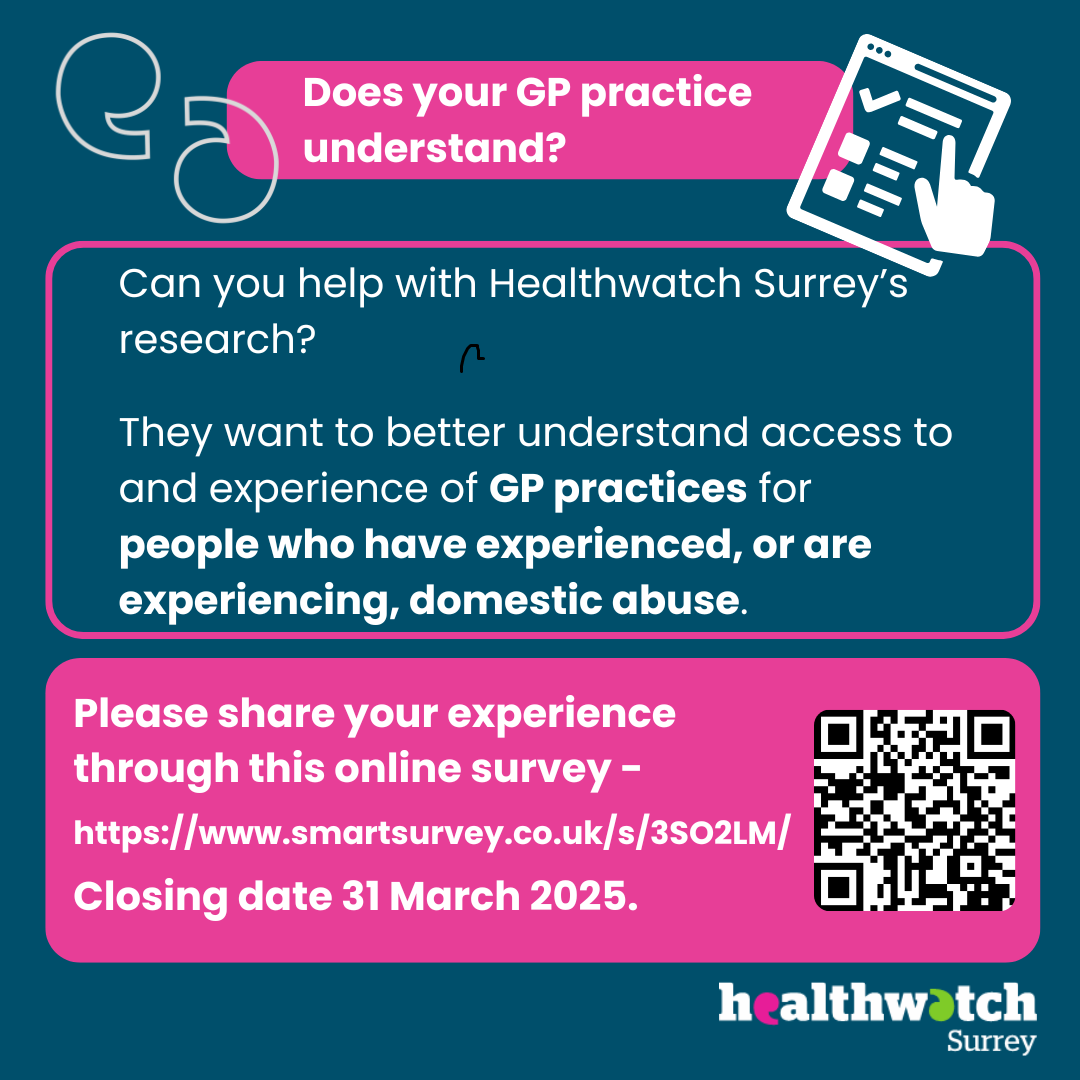
Healthwatch Surrey is carrying out research to better understand access to and experience of GP practices for people who are experiencing domestic abuse.
This research recognises that the number of people experiencing domestic abuse is growing nationally and within Surrey. It will explore the barriers to people sharing their experience of domestic abuse within the GP practice setting and access to different routes for further support.
So please share your experience using this link.
What is Rapid Health?
Rapid health is an AI driven triage tool approved by the NHS which allows you to book appointments quickly and offers more patient choice and availability by offering you the right appointment with the right clinician first time.
How do I book an appointment?
The link to access Rapid Health will be posted on our website. There will also be posters in the practice with our website address and a QR code.
However, we understand that not everyone can use online services and our Reception team will still be available on the phone and in person. The team will take some details from you, the Rapid Health platform will then triage your request and offer you a suitable appointment where appropriate.
Can I use Rapid Health through my NHS App?
Not at the moment. However, this is currently in development so keep an eye out for further updates. We expect this to be live before summer 2025.
Will I be able to book appointments via Patient Access and NHS App?
You won’t be able to book GP appointments through these apps, however, you can still book appointments for routine screening and follow-ups, such as cervical screening, NHS Health Checks, blood tests, asthma reviews and contraceptive pill checks by contacting our Reception team. You will also still be able to view your medical records and test results, and order repeat medication.
What do I do if I want to see a specific GP?
When you are booking an appointment, the GP’s with available appointments will be shown. We would encourage you where possible to book with your usual GP.
What do I do if I want to pre-book an appointment?
All our GP appointments will be available. After completing the Rapid Health questions an appointment will be offered within an appropriate time frame according to your symptoms.
Will all Clinicians be on Rapid Health?
Rapid Health is primarily used for the booking of GP appointments, however depending on your presenting complaint you may be offered an appointment with one of our other skilled Practitioners such as the Practice Nurses or our Physiotherapists where appropriate. Nurses, Healthcare Assistants and Pharmacists will be booked in the same way as before via reception, this may change in the future.
Why have I been offered an appointment with this Clinician?
Patients will be offered an appointment with the most appropriate clinician based on their clinical need.
I was not offered an appointment, what do I do?
Once you have completed our triage questionnaire we will offer an appointment in the most appropriate time frame. If you have not received an appointment, our dedicated Triage Team will be informed and your issue may be triaged by the duty doctor. We will be in contact within 48 hours.
My problem is personal and I only want to tell a GP.
The information which you provide is saved to your medical records and is reviewed by the clinician during your appointment.
When can I use Rapid Health?
Rapid Health will be available during our opening hours, Monday to Friday between 08:00 and 17.30 (except for bank holidays) for all clinical requests. Administrative requests are available Monday to Friday between 08:00 and 18:30.
How do I book new mother and baby GP appointments?
The same way as before, by calling our reception team.
How do I book my annual reviews? For example: Asthma, COPD, and Diabetes
The same way as before, using the link sent to you by text message or email, or by calling our reception team.
How do I book a nurse appointment?
The same away as before. Please contact the surgery to book Nurse or Health Care Assistant appointments.
Who will book follow up appointments?
The Clinicians will book your follow up appointment if required.
I require an interpreter/assistance for my appointment.
All patients will receive a text/email confirming their appointment. In this message it will tell you to contact the surgery if you require an interpreter or assistance.
How do I book a Medication review?
The same way as before, using the link sent to you by text message or email, or by calling our reception team to book in with one of our Clinical Pharmacists.
To ensure you can access appointment booking with our new online consultation tool, Rapid Health, please update your email address with the practice by completing the “Change of personal details” online form on our website or via GP online services. Change of Personal Details - Farnham Dene Medical Practice
Please watch this patient explainer video for more information on using Rapid Health and reassurance on the safety of your data and information.
ERIC is a national charity supporting children and families with bowel and bladder issues.
Bedwetting in childhood is very common, affecting 1 in 15 seven year olds and 1 in 75 teenagers. It runs in families, but it's no-one's fault. You don't need to wait for your child to grow out of it - treatment is available from 5 years old (as per NICE Guidelines).
For advice and help visit Advice for children with night time wetting - ERIC
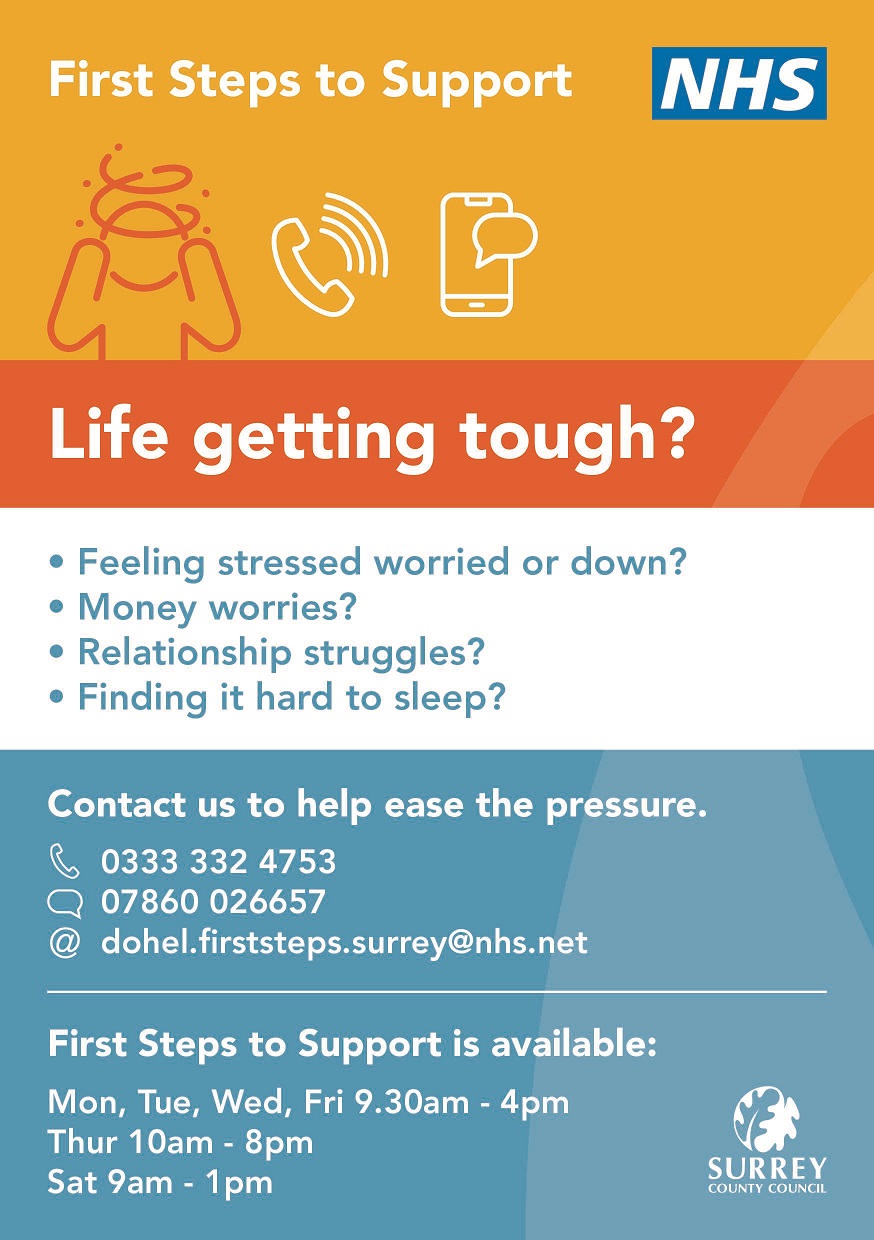
First Steps to Support is a free phoneline to help those facing life's stresses and looking to improve their mental wellbeing.
The friendly staff at First Steps to Support are there to:
- Understand what's on your mind, what's troubling you, and what you would like to be different
- Work with you to explore the best way of helping you
- Guide you to the right support to lighten the load, help you to cope better and enjoy life again
Visit healthysurrey.org.uk/firststepsphoneline
The service is available for anyone 18 years or over living in Surrey.
We have been informed of an increase in fraudulent cold callers claiming to represent GP practices or health providers. At this time of year, we urge all patients to remain vigilant and take extra care when sharing personal information.
Key advice:
Always verify who you are speaking to.
End the call immediately if you have any concerns.
Report suspicious activity to the National Fraud & Cyber Crime Reporting Centre, Action Fraud.
Stay safe and protect your information. For more advice, visit www.actionfraud.police.uk.
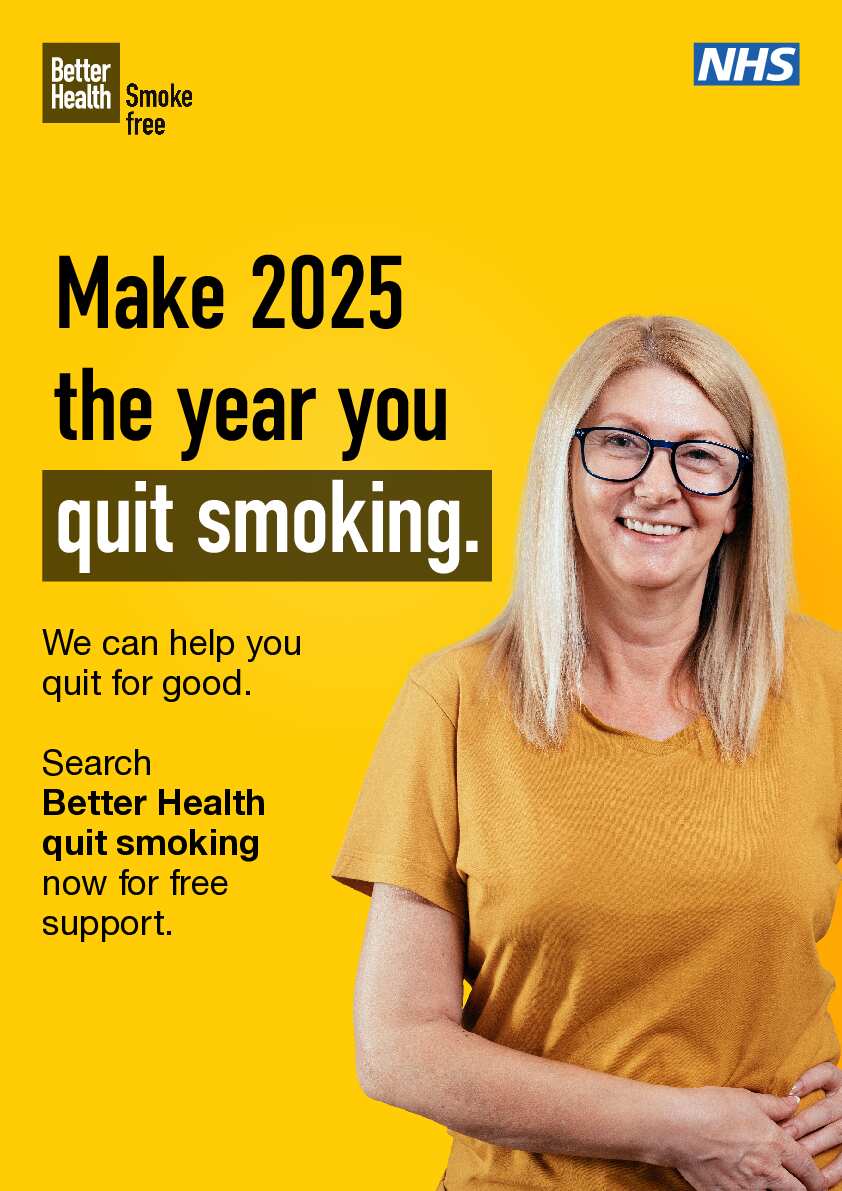
Make 2025 the year you quit smoking for good
When you quit smoking, good things start to happen. You'll begin to see almost immediate improvements to your health.
It's never too late to quit and it's easier to stop smoking with the right support. Why not start by downloading the free NHS Quit Smoking app to track your progress and get daily motivation?
You don't need to imagine a life without smoking, you can live it!
Download the NHS Quit Smoking app to track your progress, see how much you're saving, get daily support and get inspired by others.
Once you reach 28 days smoke-free you're much more likely to quit for good!
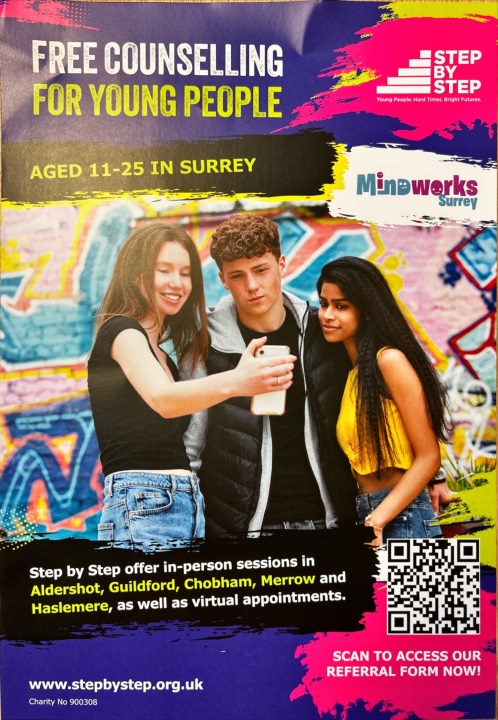
Free Counselling for Young Adults (11 to 25)
Counselling gives you a safe place to be heard and it is completely confidential.
The Step by Step free counselling service is based on building a trusting relationship with you. It can help you talk about your experiences and worries and how to manage them in a supportive way. The counsellors are trained to listen carefully and thoughtfully to you, without judgement.
Counsellors do not give advice but do support you to make positive decisions for yourself. The counsellors are trained to work with many different areas that may be worrying you, including feeling stressed or anxious, feeling down, having panic attacks, being bullied, coping with the death of someone in your life, family problems, low self-esteem, low self-confidence, friendship / relationship issues, hurting yourself, problems with food or eating, feelings of not fitting in, exam worries and loneliness.
You’ll have up to 6 - 8 sessions with a counsellor who is trained to hear you in confidence.
If you are registered with a GP in Surrey and are aged 11-25, you can self-refer to the service by completing our online Referral Form.
If you are registered with a GP in Hampshire and are aged 11-17, you can access the service by making a referral here.
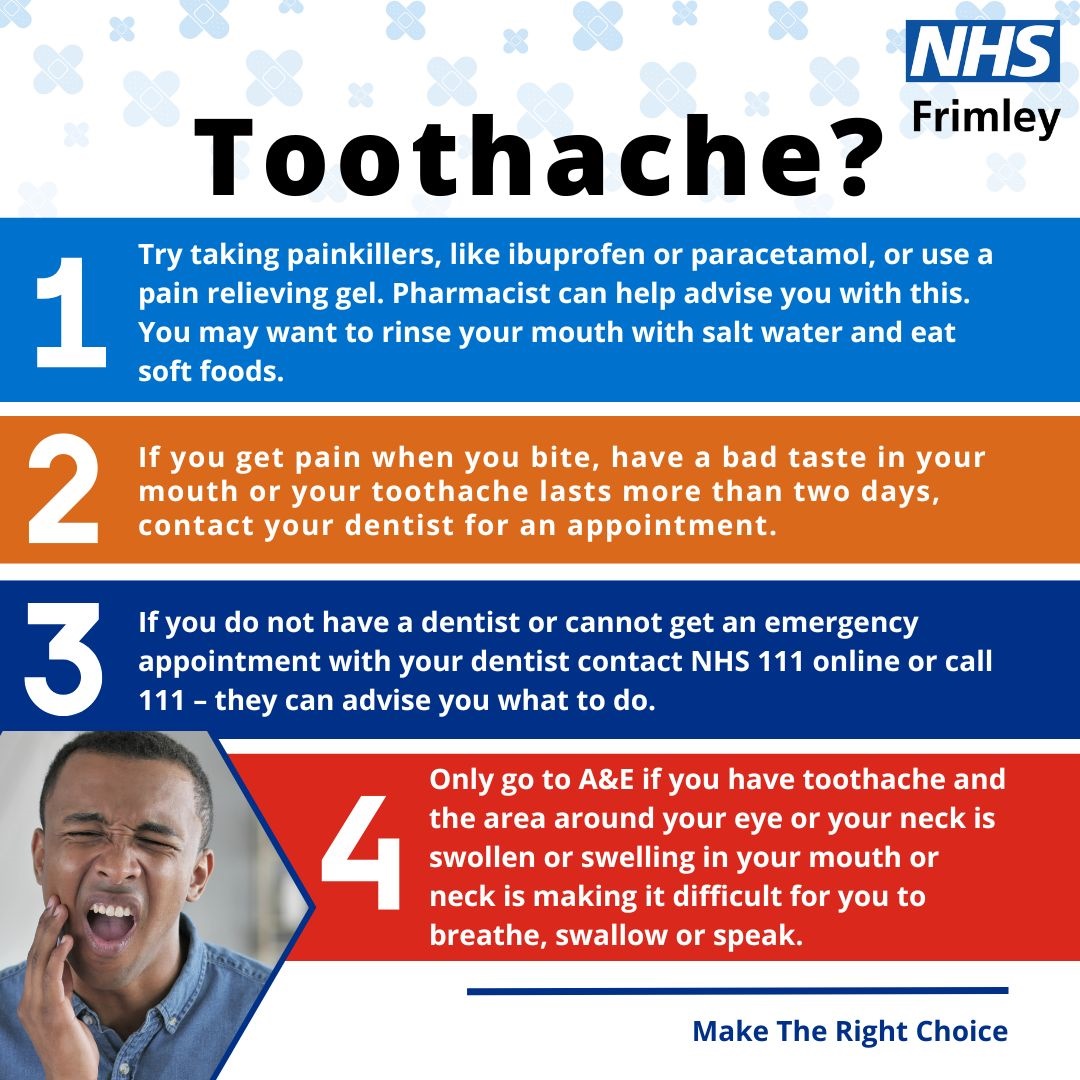
Winter conditions can be bad for our health, aggravating any existing health problems, increasing the risk of a fall, and making us more vulnerable to respiratory winter illnesses. But there are lots of things you can do to stay well this winter.
- Getting vaccinated helps keep you and your loved ones safe by reducing the risk of serious illness, hospitalisation and passing an illness on to others
- Avoid passing flu and COVID on to others - stay home and avoid contact with vulnerable people if possible, cover your mouth when coughing or sneezing, bin your tissue immediately and wash your hands
- Keep yourself and your home warm and drink plenty of fluids
- Check your medicine cabinet and make sure you have over the counter medicines available to relieve symptoms of common winter illnesses
- Keep active to help improve your physical and mental health
- Hand washing to protect yourself and prevent any bugs being passed on to others
- Get your prescriptions in advance of practice and pharmacy closures over the holiday period
- Look out for other people who may need extra help over the winter
For further information please download the following leaflet - Winter vaccinations and winter health - NHS
If you have received a text message from us about Remote Monitoring, this service is being offered to you as we consider you could benefit from this NHS service.
The service gives you the opportunity to share symptoms and details with us from the convenience of your home. If your health readings fall out of what is expected then a healthcare professional will call to see how you are, and advise if additional support is required. The service aims to help you stay well and reduce the likelihood of needing emergency treatment.
The Digital Health Team will be in touch over with you shortly by phone to discuss the service further and explain what equipment you will need. You can ask them any questions you may have about the offering and understand how they can support you to set the app up to start sharing your health readings.
More information can be found here: www.frimleyhealthandcare.org.uk/remotemonitoring
Having reviewed our processes and the feedback received from patients and staff, we are excited to announce that we’re upgrading our online consultation tool to Rapid Health, with the official launch set for January 2025. This new system is designed to enhance your experience by offering faster, more efficient access to care and we are confident that it will benefit both patients and our practice team.
What is Rapid Health?
Rapid Health is an advanced online consultation tool that helps streamline how you access care. It can guide you to the appropriate next steps, whether that’s booking an appointment or directing you to the most suitable service. In some cases, it may offer you an appointment automatically.
How will it benefit you?
- Faster access to care: The system can help us to triage your symptoms and direct you to the appropriate service or team member more efficiently.
- Real-time appointment booking: If your situation requires an appointment, Rapid Health may automatically offer you one based on your needs that you can book at a convenient time to you.
- Reduced waiting times for phone calls: With more patients using the online system, phone lines will be less busy, so those who need to call will benefit from shorter wait times.
- User-friendly experience: No complicated registration is required to use the service. Video guides and answers to Frequently Asked Questions (FAQs) will be available to help you navigate the system easily.
Keep an eye out for more updates on our website as we get closer to the launch date. We’re excited to bring you this upgrade and improve how we provide care to our community.
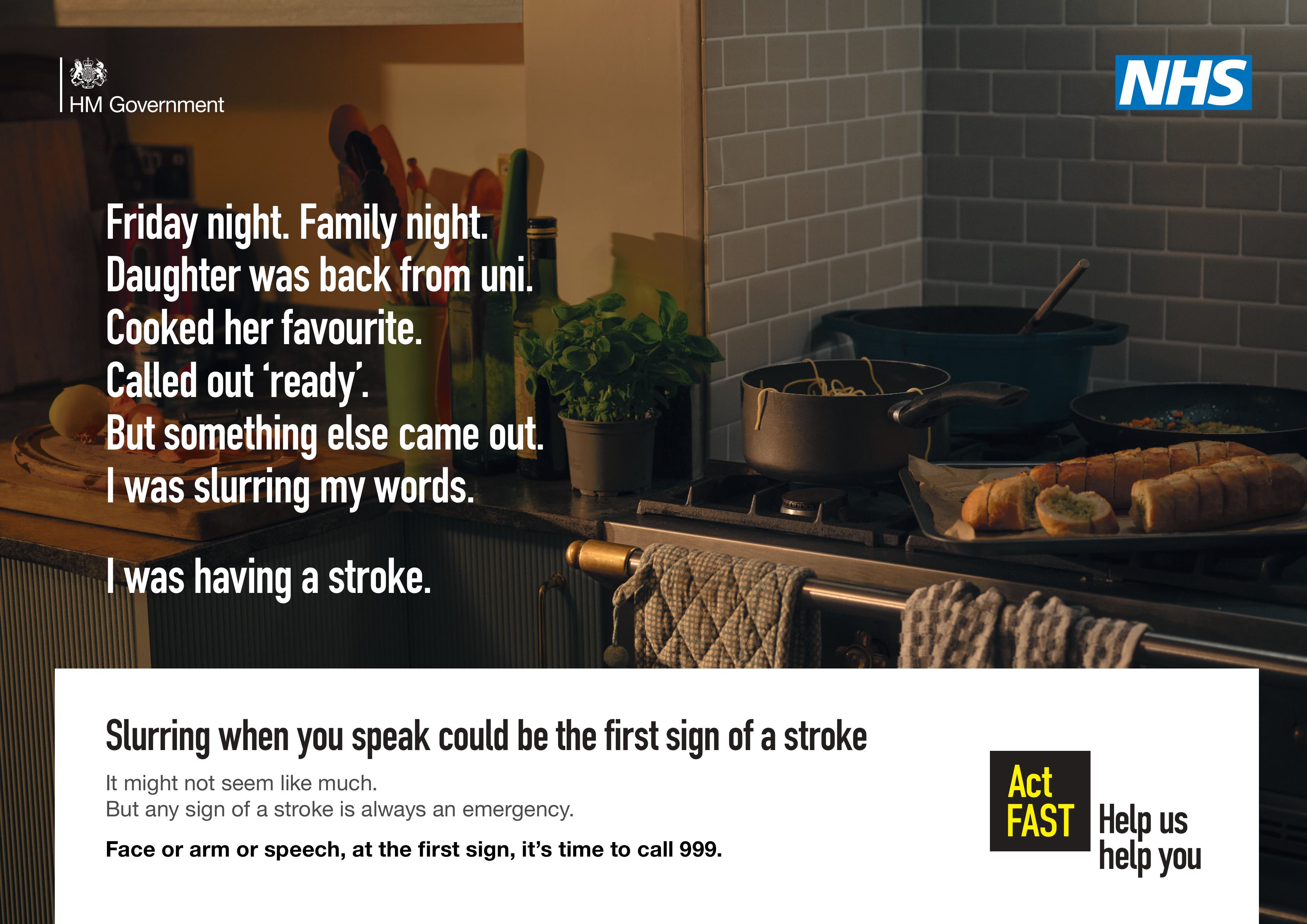
A stroke strikes every 5 minutes in the UK. There are around 38,000 stroke-related deaths every year and it’s a leading cause of disability. Act FAST on any sign of a stroke as every minute is vital, to give patients quicker access to specialist treatment that could save their life and reduce the long-term effects of a stroke such as a disability.
The first sign of a stroke might not seem serious. Like struggling to smile, not being able to raise your arm or slurring when you speak. Stroke symptoms can be less dramatic, painful or obvious than might be expected. But even if doesn’t seem like much, at the first sign of a stroke call 999.
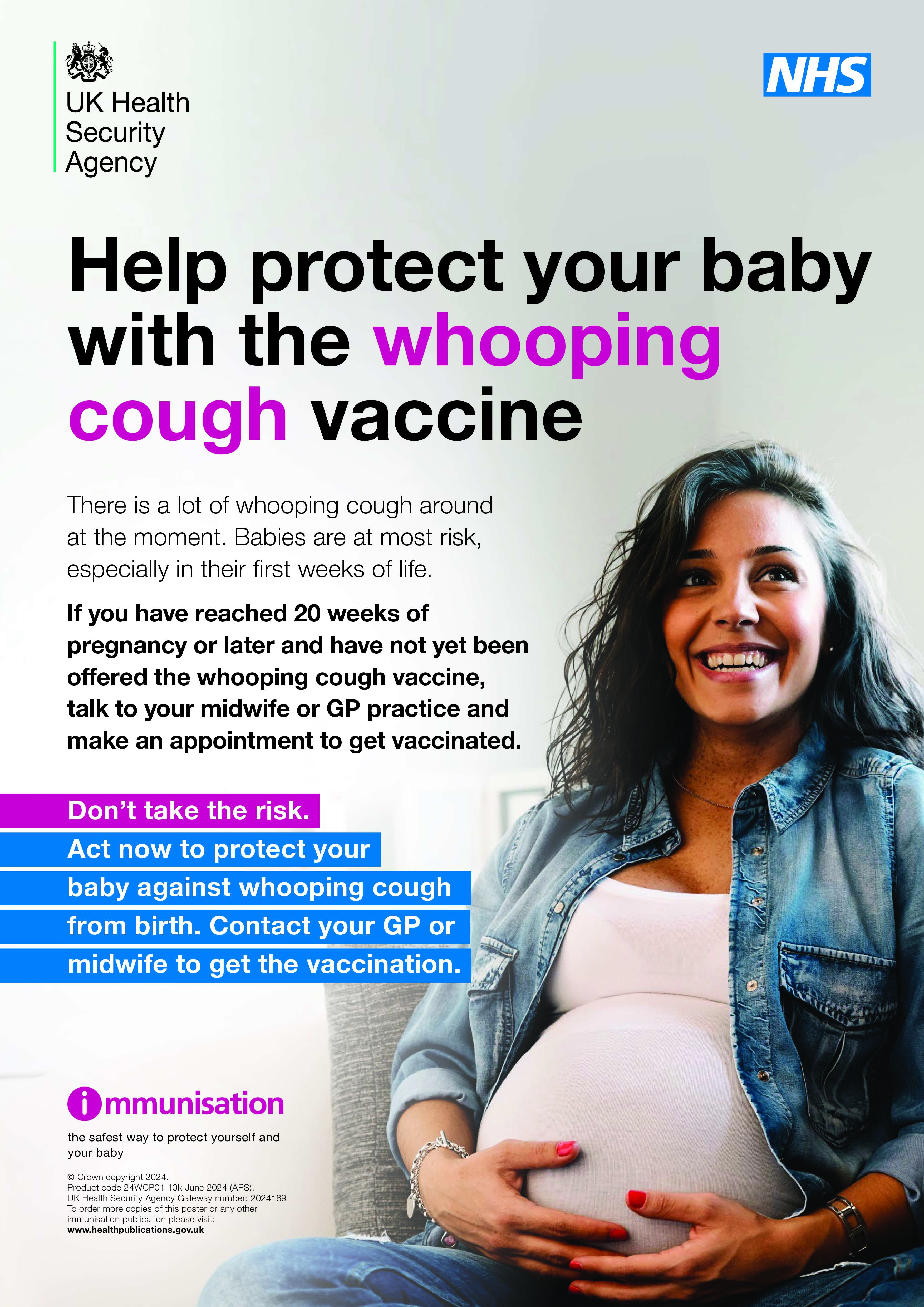
Whooping cough cases are rising.
If you are pregnant you can help protect your baby by getting vaccinated. You should usually have the whooping cough vaccine around the time of your mid-pregnancy scan (around 20 weeks) but you can have it from 16 weeks. For the best protection, have your vaccine before 32 weeks.
Getting vaccinated during pregnancy is highly effective in protecting your baby from developing whooping cough in the first few weeks of their life.
For more information, visit www.nhs.uk/pregnancy/keeping-well/whooping-cough-vaccination/
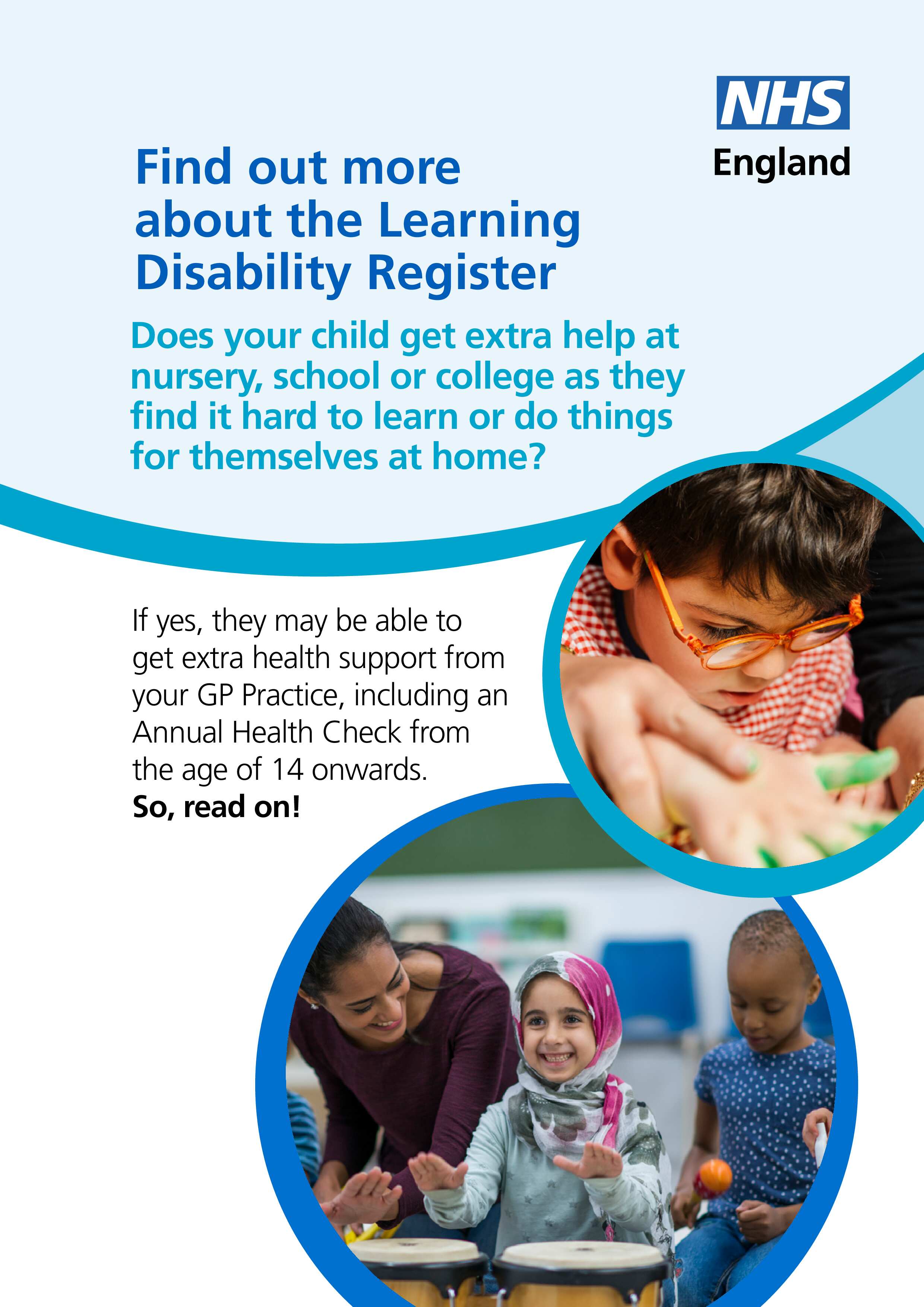
What is a learning disability?
There are three things which help us decide if someone has a learning disability. These are if: • They have a significantly reduced ability to understand new or complex information and to learn new skills and • They have a reduced ability to cope independently, reduced social ability/ ability to adapt • This started before the age of 18 with a lasting effect on development. A learning disability can also be referred to as an intellectual disability or global development delay. If you think the above applies to your child, please read on.
How does a learning disability differ to a learning difficulty?
A learning difficulty is different to a learning disability. A learning difficulty is a type of special educational need, such as dyslexia, or other condition which affects only one area of learning like reading, writing, spelling and maths etc. Dyslexia, for example, may be considered a general disability but is not considered a learning disability. Alternatively, your child may have a diagnosis of autism and is autistic. But they may not have a learning disability as their overall ability to learn may be similar, or better compared to other people. Autistic people who do not have a learning disability are unable to have a free Annual Health Check, though this may change in the future.
Questions to help you think about whether your child could have a learning disability
• Is your child on the Special Educational Needs and Disabilities (SEND) support register at their school or do they get extra help with their learning? • Does your child attend a special school? • Do they have an Education, Health and Care Plan (EHCP)? • Is there a diagnosis of a learning disability, or mention of ‘global developmental delay’ or ‘intellectual disability’ in any reports you have received about your child, or has anyone told you your child may have one of these conditions? • Is your child known to the Children’s or Adult’s Learning Disability Service? • Do they see a consultant psychiatrist for learning disabilities or someone from the Child and Adolescent Mental Health Service (CAMHs)? • Is your child entitled to Disability Living Allowance (DLA) or a Personal Independence Payment (PIP)?
If you answered yes to some of the questions, it’s really important you contact your local GP practice and ask them whether your child is on or should be added to the GP’s Learning Disability Register.
This can be done at any age. You can make an appointment with your GP practice to discuss this and can print this leaflet and bring it with you or download it to show them. If you have any reports, letters or documents which say your child has a learning disability, developmental delay or intellectual disability for example, then bring some of these with you to show your GP. Think about the points you want to raise with your GP before the appointment and write them down if this helps. The GP can often use their own clinical judgement to make a decision. Or in a few cases, your GP may want to get specialist advice or additional supporting information. If they agree that your child has or is likely to have a learning disability, they should add your child to their GP practice’s Learning Disability Register and you can be noted as their carer.
What is a GP Learning Disability Register?
A GP Learning Disability Register is an ‘all ages’ list including babies, children, young people and adults registered at their local GP practice who have a learning disability (not a learning difficulty).
What are the benefits of being on the Learning Disability Register?
As well as helping health and care staff offer your child reasonable adjustments, the benefits of being on the Learning Disability Register and for example, having an Annual Health Check, means that your child is more likely to get timely and targeted additional support to help them stay healthy. Your child may already be seeing other health professionals. Seeing your GP is also important. Sometimes children and young people with a learning disability also have additional health conditions. Being on the GP Learning Disability Register will help everyone understand these and make sure that the right care and support is put in place if your child needs it. By being on the Learning Disability Register your child will be able to get a free: • Annual Health Check from the age of 14 upwards together with a Health Action Plan • Annual NHS flu vaccination • NHS COVID-19 vaccinations/boosters • If you are their main carer, you should also be registered as a carer, in order to make sure that you can support them to attend appointments • You would also be entitled to a free NHS carer’s health check. Having an annual health check also helps your child to get used to going to the GP practice and knowing how to get help and support if they are worried about their health, as they get older.
What should I do now if I think my child has a learning disability?
If you think your child may have a learning disability, show this leaflet to your GP surgery and book an appointment to discuss this with them
Start for Life provides trusted NHS help and advice during pregnancy, birth and parenthood. The website offers a week by week guide to pregnancy and life with a baby, toddler and beyond, including tips and support for parents and focuses on the key topics of breastfeeding, introducing solid foods and developing communication, language and literacy skills through encouraging parents to chat, play and read with their children. Visit www.nhs.uk/start-for-life/
Start for Life provides trusted NHS help and advice during pregnancy, birth and parenthood. The website offers a week by week guide to pregnancy and life with a baby, toddler and beyond, including tips and support for parents and focuses on the key topics of breastfeeding, introducing solid foods and developing communication, language and literacy skills through encouraging parents to chat, play and read with their children. Visit www.nhs.uk/start-for-life/
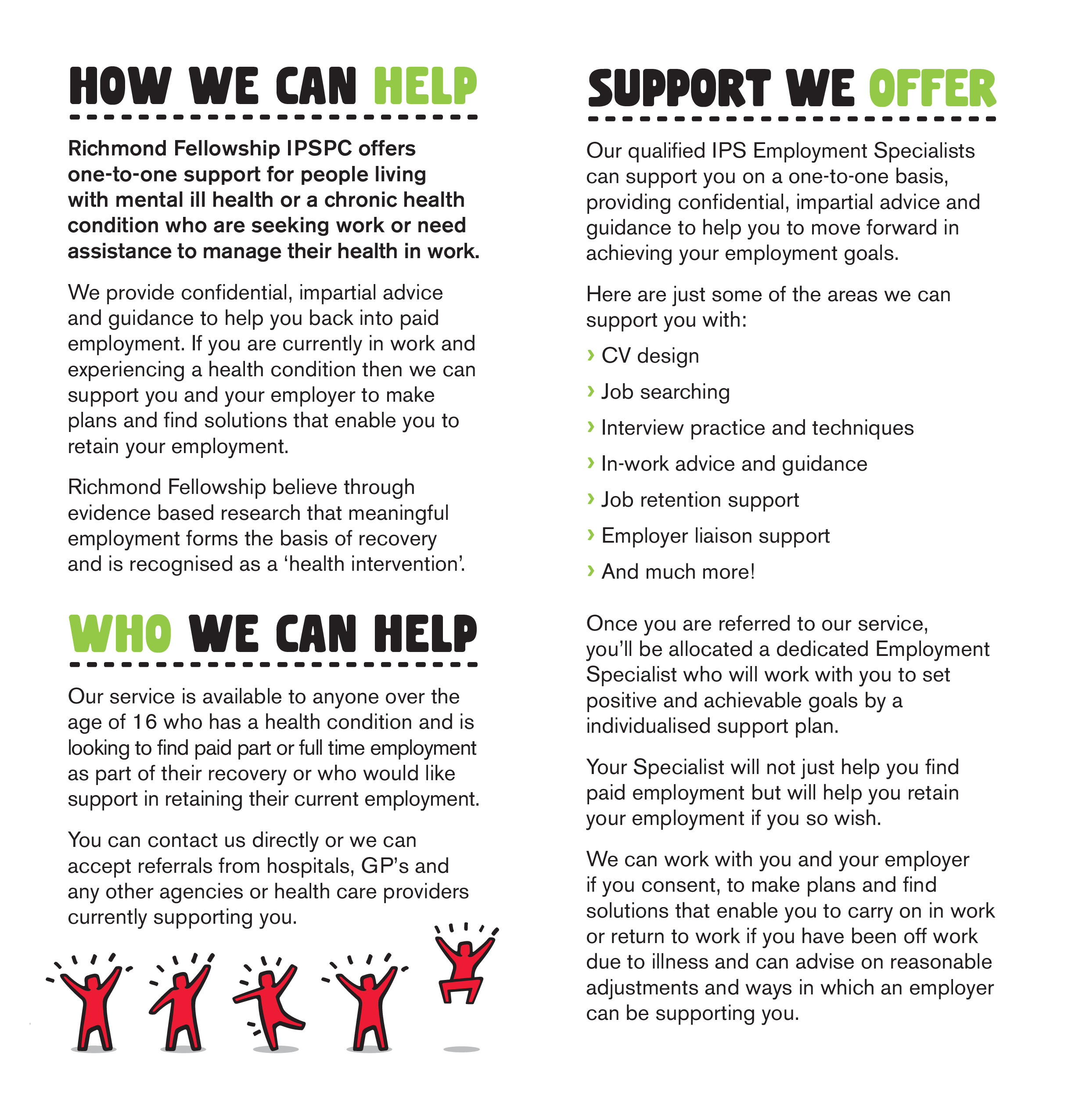
Richmond Fellowship is a national mental health charity making recovery reality for thousands of people every year. We provide a wide range of services including residential support, supported housing, employment services, community support and crisis support.
Richmond Fellowship is part of Recovery Focus, an expert group of charities with the shared aim of inspiring recovery together.
To find out more about the support we can provide and our referral process, contact us on
T: 07519 701567
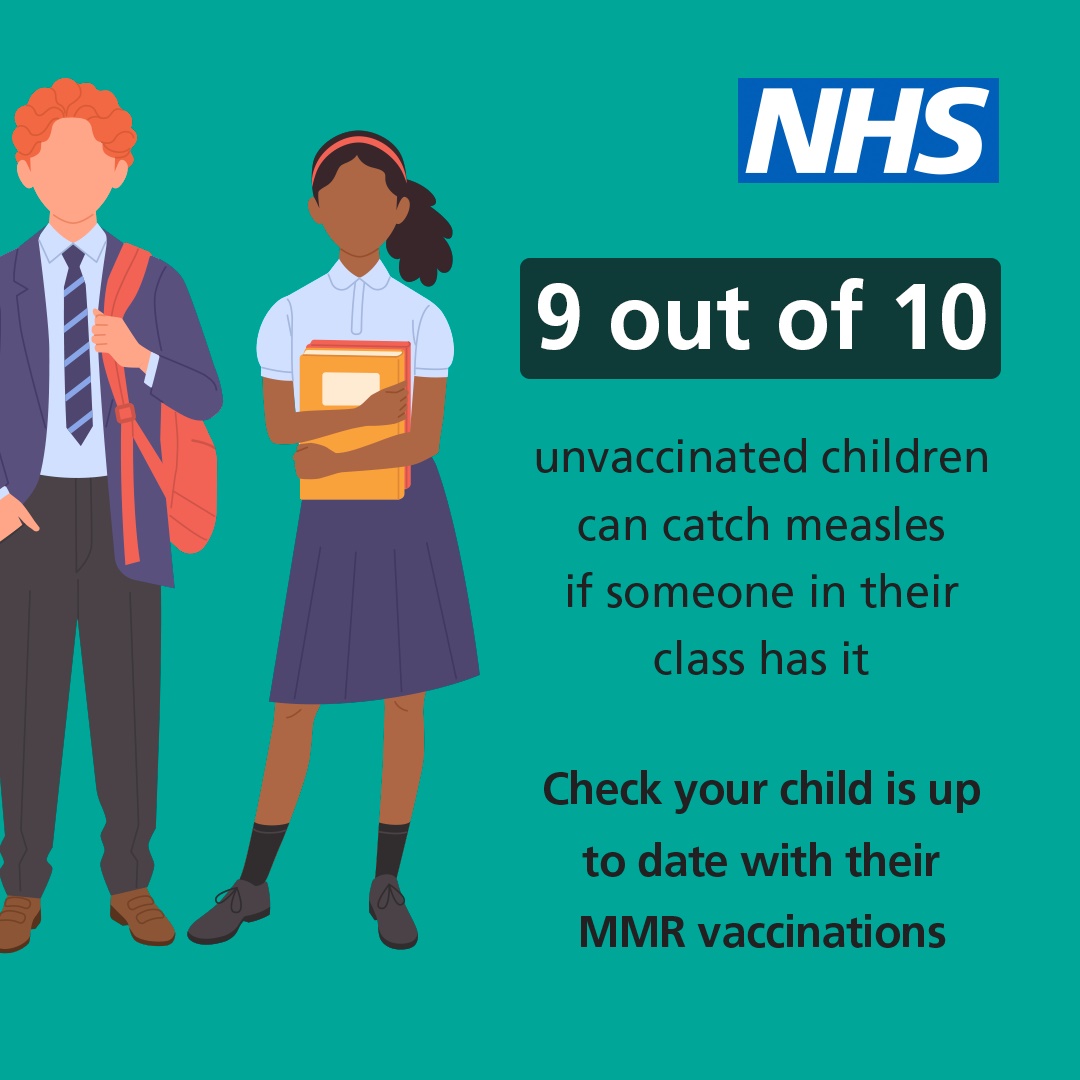
Has your child missed any of their childhood vaccinations?
Please contact the surgery to arrange an appointment with the Nursing Team.
For more information on the vaccination programme, visit www.nhs.uk/conditions/vaccinations
Has your child missed any of their childhood vaccinations?
Please contact the surgery to arrange an appointment with the Nursing Team.
For more information on the vaccination programme, visit www.nhs.uk/conditions/vaccinations
Anyone aged over 18 who has one Jewish grandparent is now eligible for a new NHS screening programme.
People with Jewish ancestry are six times more likely to carry a fault in their BRCA genes than the general UK population and so are more at risk of developing cancers including breast and ovarian. Testing is done at home by a free and simple test and results come back within 16 weeks.
Find more information plus support for patients here: The NHS Jewish BRCA Testing Programme
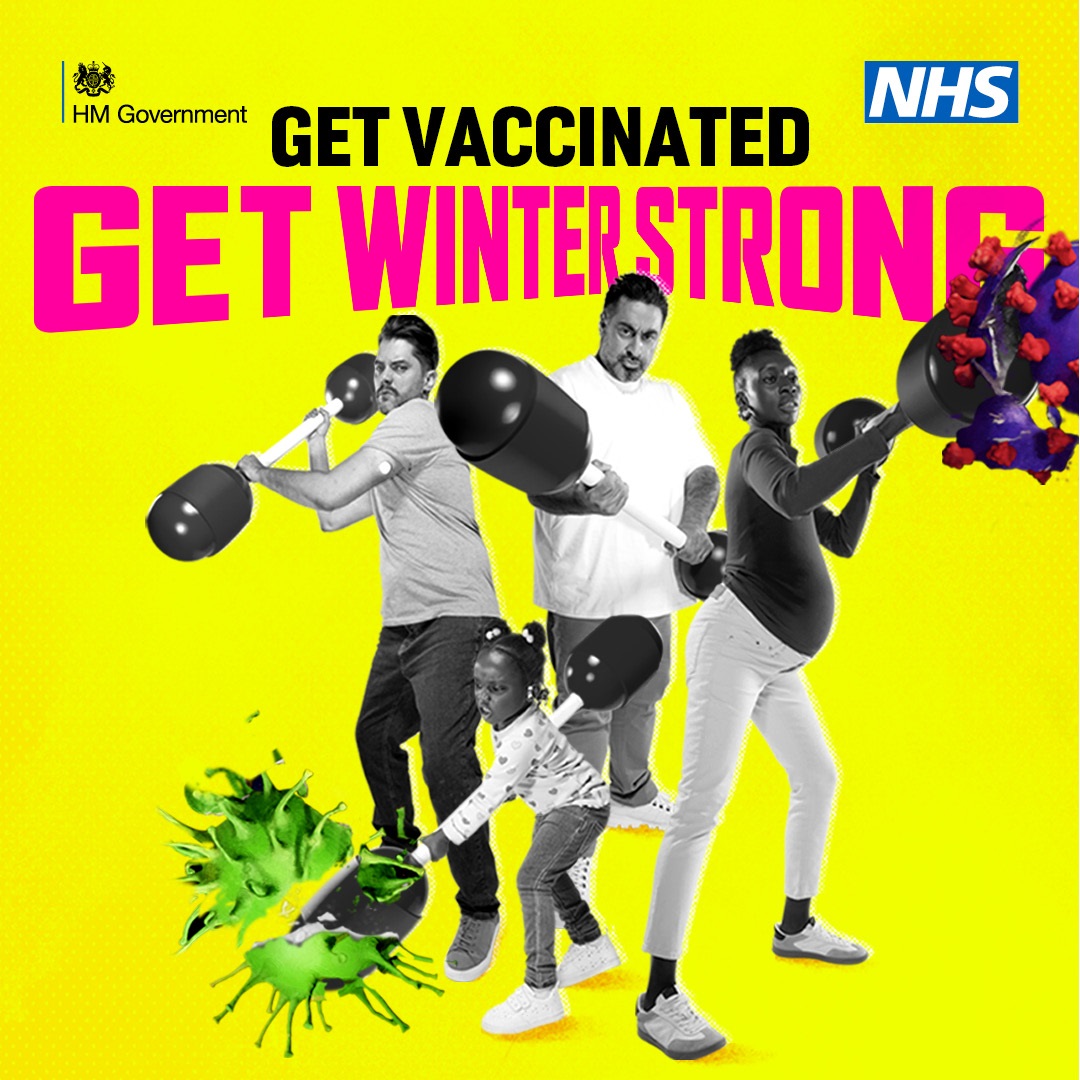
If you have yet to receive a flu vaccination, please call our Reception Team for an appointment in Practice.
The Joint COVID and Flu Vaccination Programme at the Farnham Vaccination Site has now ended.
Appointments for COVID Vaccinations can be made through the National Booking Service: www.nhs.uk/nhs-services/covid-19-services/covid-19-vaccination-services/book-covid-19-vaccination/ Bookings can be made up to the 19th December, when the Programme ends.
This autumn we are excited to announce we will be offering patients the opportunity to receive a flu and COVID vaccination at one appointment at the Farnham Vaccination Site at Farnham Hospital.
Eligible patients will be contacted by text message to make a booking for clinics running throughout October and November.
Please ensure your contact details are up to date and we have a mobile number on your record.
Patients that are eligible to receive a vaccination at the Farnham Vaccination Site include:
- those aged 65 years and over
- 5 years to under 65 years in clinical risk groups
- pregnant women
- carers in receipt of carer’s allowance, or those who are the main carer of an elderly or disabled person
- close contacts of immunocompromised individuals
- frontline workers in a social care setting without an employer led occupational health scheme including those working for a registered residential care or nursing home, registered domiciliary care providers, voluntary managed hospice providers and those that are employed by those who receive direct payments (personal budgets) or Personal Health budgets, such as Personal Assistants (evidence of frontline worker status will be requested)
All children aged 2 or 3 years on 31 August 2024 or those aged 6 months to less than 18 years who are in a clinical risk group can receive the flu vaccination in practice and will receive a booking invitation via text message.
Please note we are unable to offer a flu vaccine to school aged children who are not in a clinical risk group or do not have an underlying health condition. If your child has missed their vaccination at school, please contact the school nursing team at Southern Health to enquire about catch up clinics. Their email address is: northeasthantsimmunisationteam@southernhealth.nhs.uk or https://childrenshealthsurrey.nhs.uk/services/immunisations
Patients in long-stay residential care homes or who are registered with the Practice as housebound will be contacted by the Vaccination Team separately.
For further information on flu and COVID vaccine eligibility please visit www.nhs.uk/vaccinations/flu-vaccine/ or www.nhs.uk/conditions/covid-19.

We offer appointments at the both practice sites, Farnham Centre for Health and at the Lower Bourne Surgery.
Please use the booking link sent in your invitation to book, or contact reception, after 3pm, for an appointment.
Further information about the national respiratory syncytial virus vaccine programme can be found here:
National RSV vaccination programme announced - GOV.UK (www.gov.uk)
This is an annual vaccination programme. We are unable to vaccinate anyone who does not meet the eligibility criteria:
- Pregnant patients from 28 weeks onwards. Vaccinations are arranged by the hospital team.
- 75 to 79
- Patients aged 80 or over - If you turned 80 after 1 September 2024, you are eligible for the RSV vaccine until 31 August 2025.
Please ensure we have your mobile number on record so we can contact you.
Please note the following regarding eligibility: based on expert advice from the JCVI, the Government decides which groups will be eligible for free NHS vaccines. Their decision was based on the latest available evidence at that time, including how long protection lasts and how common RSV infection is within different age groups, and they concluded that there is limited evidence of the vaccine being effective in those aged over 80. The JCVI will continue to keep the evidence under review
We have zero tolerance of racism towards our patients or colleagues.
The racist violence displayed in our local area is a source of deep shame. Violent, threatening, or abusive behaviour towards any member of the practice team, or our patients, will not be tolerated. Patients acting in this manner could be removed from our patient list.
Our staff are here to help you, please treat them with respect.
Thank you to all our patients and staff for their support during these challenging times.
Please click here for a list of resources for if you have been affected by recent events.
We would like to make patients aware that we are no longer able to do ear syringing in practice, although we can offer ear checks and ear care appointments for audiology referrals.
Most opticians offer a chargeable ear syringing service, so please check online for a provider near to you.
We would like to make patients aware that we are no longer able to do ear syringing in practice, although we can offer ear checks and ear care appointments for audiology referrals.
Most opticians offer a chargeable ear syringing service, so please check online for a provider near to you.

If you would like to receive invitations for Childhood Immunisations in an accessible format, please contact the Child Health Team or speak to a Nurse or Health Visitor.
If you would like to receive invitations for Childhood Immunisations in an accessible format, please contact the Child Health Team or speak to a Nurse or Health Visitor.
The Spring Booster 2025 COVID Vaccination campaign starts in April.
Eligible patients have been invited by text message with a booking link to make an appointment for clinics running throughout April at the Farnham Vaccination site. Please ensure we have an update contact details for you so that you can make an appointment.
Please call us after 3pm if you wish to book your appointment with the reception team so we can deal with urgent queries during the morning and early afternoon.
Eligible patients include:
- Patients over 75 yrs (by 17th June 2025)
- Patients who are 6 months or older who are immunosuppressed
- Residents in a Care Home for older adults
Patients between the ages of 5 and 11 years of age will be be contacted to make a booking in clinics running on a specific date with our specialist clinician. Children under 5 will need to be referred so please contact the practice for further details,
Patients in long-stay residential care homes or who are registered with the Practice as housebound will be contacted by the Vaccination Team separately. Please wait to hear from the team with further details.
For more details about eligibility and the vaccine, please visit:

Whooping cough (pertussis) cases are continuing to rise, with 1,319 cases confirmed in March 2024 compared with 858 cases for the whole of 2023. The infection can be serious for babies who are too young to start their vaccinations and may lead to complications resulting in hospitalisation and even death. The pertussis vaccination in pregnancy provides protection for pregnant women and young babies against serious illness. The NHS is encouraging anyone pregnant to come forward and be vaccinated. We recommend patients who are pregnant check their NHS app to confirm they have received this vaccine and if not call the practice to book an appointment with the nurse.
Whooping cough (pertussis) cases are continuing to rise, with 1,319 cases confirmed in March 2024 compared with 858 cases for the whole of 2023. The infection can be serious for babies who are too young to start their vaccinations and may lead to complications resulting in hospitalisation and even death. The pertussis vaccination in pregnancy provides protection for pregnant women and young babies against serious illness. The NHS is encouraging anyone pregnant to come forward and be vaccinated. We recommend patients who are pregnant check their NHS app to confirm they have received this vaccine and if not call the practice to book an appointment with the nurse.
We have seen an increasing number of patients contacting the practice regarding how to obtain an ADHD diagnosis, so one of our recently qualified trainees, Dr Emily Rowlands, has put together a document to help answer some of these questions. Please click on this link to find out more.
We have seen an increasing number of patients contacting the practice regarding how to obtain an ADHD diagnosis, so one of our recently qualified trainees, Dr Emily Rowlands, has put together a document to help answer some of these questions. Please click on this link to find out more.
PATIENT ACCESS CHANGE TO LOGIN PROCESS
To ensure the highest level of security to your confidential NHS medical records, Patient Access will now be asking patients to enter a 6 digit time-based passcode each time they sign-in, as well as their username and password. To access a passcode, patients will need to install an authenticator app on their mobile, tablet or desktop device.
For step by step instructions on how to set up the authenticator app please go to Sign-in or register using two-factor authentication | Patient Access Support Portal.
Note: If you have biometrics (Face ID or Touch ID) enabled, you will not be asked to enter an authentication code each time you sign-in. Alternatively, if you are within England, you can use NHS Login to access your Patient Access account instead.
If you are experiencing difficulties with the authenticator app or logging in, please go to the Patient Access troubleshooting page or call and ask to speak to our registrations team.
We have raised a query with Patient Access to find out if there is a way of logging in without the authenticator app but have not yet had a response.

First Steps to Support is a free phoneline to help those facing life's stresses and looking to improve their mental wellbeing.
The friendly staff at First Steps to Support are available to:
- Understand what's on your mind, what's troubling you, and what you would like to be different
- Work with you to explore the best way of helping you
- Guide you to the right support to lighten the load, help you cope better and enjoy life again
First Steps to Support is available:
Monday 8am-3pm
Tuesday 9am-4pm
Wednesday 10am-5pm
Thursday 9am-7pm
Friday 10am-2pm
The service is available for anyone 18 years and over living in the boroughs of Guildford and Waverley, UK.
Patients who are prescribed and take certain medications require regular monitoring to inform the GP how well the medicine is working and to reduce the risk of adverse side effects. Monitoring can take the form of blood tests or other diagnostic tests and is essential to help your GP decide if you can continue with your treatment. We will routinely be in touch via text message, email or telephone call to advise you when your monitoring is due. We allow 4 weeks for your blood test to be booked and for the results to come back to your GP. If we have not had your results back after 4 weeks, we will be in touch with a further reminder. If we cannot see any results after this time, we will write to you to notify you that your medication will be reduced until you are able to attend your monitoring appointment.
To help us contact you, please ensure we have your correct contact details on your records, including a mobile number, and if this requires updating, please contact our reception team. If you are unable to attend a blood test or diagnostic test appointment within the required timescales, please do contact us via reception or using our admin facility on PATCHs to let us know.
Please note, if your medication is prescribed by a hospital, all blood tests will be requested and followed up by your consultant, and if your medication is being prescribed by the practice, you will need to use the blood form generated by the practice to ensure we receive the results.


Mentell provides an opportunity for men aged 18+ to talk in a safe and confidential space, free from advice and judgement. Please scan the QR code for more details.
Mentell provides an opportunity for men aged 18+ to talk in a safe and confidential space, free from advice and judgement. Please scan the QR code for more details.

Antibiotics are essential medicines for treating bacterial infections in both human and animals. However they are losing their effectiveness at an increasing rate. Bacteria can adapt and find ways to survive the effects of an antibiotic. They become "antibiotic resistant" so that the antibiotic no longer works. The more you use an antibiotic, the more bacteria can become resistant to it.
Antibiotics should be taken as prescribed, never saved for later or shared with others; it is important we use antibiotics un the right way, the right drug, at the right dose, at the right time for the right duration. Appropriate use of antibiotics will slow down the development of antibiotic resistance.
There are very few new antibiotics in the development pipeline, which is why it is important we use our existing antibiotics wisely and make sure these life-saving medicines continue to stay effective for us, our children and grandchildren.
So how should you treat a common infection?
- Get plenty of rest until you feel better
- Take pain relief if you need to
- Drink plenty of fluids so that you pass pale coloured urine regularly
- For coughs, try honey and cough medicines. For sore throats, try medicated lozenges and pain relief
- Soothe eye infections with clean warm or cold damp flannel
- For outer ear infection, apply local heat such as a warm flannel
How long will my infection last?
- Cough - 21 days
- Sore throat or earache - 7-8 days
- Common cold - 14 days
- Norovirus (winter vomiting) - 2-3 days
- Sinus infection - 14-21 days
Contact your GP if our symptoms are getting worse or you are no better by the times above.
Your body can normally fight off common infections on it's own. You do not need antibiotics unless symptoms of a bacterial infection (such as urine infection) are severe. Taking antibiotics when you do not need to puts you and your family at risk. Follow your healthcare professional's advice on antibiotics.


Please click the link below to download the NHS App.
Please click the link below to download the NHS App.
Please find a short video published by the Medicines & Healthcare products Regulatory Agency which shows how to correctly use an Adrenaline Auto-Injector (AAI)
Please find a short video published by the Medicines & Healthcare products Regulatory Agency which shows how to correctly use an Adrenaline Auto-Injector (AAI)

Farnham Dene has recently become a Parkrun Practice, hoping to improve the health and wellbeing of patients by socially prescribing physical activity at one of the more than 660 Parkrun’s that take place throughout the UK every weekend.
Parkrun’s are free 5km events, held every Saturday morning at 9am, where you are welcome to walk, run, jog, volunteer or spectate. Our two local Parkruns are in Rushmoor and Alice Holt Forest. Not only is this a great way to be active, but it is also an opportunity to socialise, make friends and be part of a welcoming, supportive community.
The Chief Medical Officer and the UK Government have repeatedly emphasised the importance of being active in the fresh air for overall health. Having an active lifestyle can help improve mental health, build self-esteem and mood, improve sleep quality and energy, give a sense of rootedness and belonging, build resilience to COVID-19 and other illnesses, reduce the risk of developing many diseases and promote quality of life.
The UK CMO's advice is for ALL adults to get at least 150 minutes of moderate intensity activity or 75 minutes of high intensity activity per week – and just 10 additional minutes can make a clinical difference, reducing the impact of the chronic health conditions GP’s and their teams see every day.
Physical activity is safe, even for people living with symptoms of multiple long-term conditions. Regular physical activity, in combination with standard medical care, has an important role in the management and prevention of many long-term conditions.
People with long-term conditions are often fearful of worsening their condition or experiencing potentially undesired consequences from physical activity. In fact, when physical activity levels are increased gradually, the risk of serious adverse events is very low. Well informed, person-centred conversations with healthcare professionals can reassure people and further reduce this risk.
Please speak to your GP if you have any concerns.
For more information on a Parkrun near you visit www.parkrun.org.uk.

Are you up-to-date on your free NHS Health Check?
If you are aged 40-74, taking up your NHS Health Check every five years can help to spot early signs of serious conditions. It helps find ways to lower this risk. The check includes a cholesterol check, blood pressure and assessment of your risk of diabetes.
As we get older, we have a higher risk of developing conditions such as heart disease, stroke, kidney disease, type 2 diabetes or dementia. If you do not already have a pre-existing condition, you should receive a letter from us inviting you to take up the free check.
However, if you think you might have missed out, you can call us to book your 30-minute appointment. Following the NHS Health Check, you’ll be given advice to maintain or improve your health, which is good news for your future wellbeing and the NHS.
For further information please go to Healthy Surrey Health Checks
Treating your hayfever with OTC (over the counter) medicines
Hayfever is caused by the body reacting to pollen from grasses, flowers, trees and/or weeds as if it is harmful to the body. The body reacts by producing histamine. This causes the unpleasant symptoms we know as hayfever. Symptoms can include some or all of the following:
• Itchy eyes/throat
• Sneezing, blocked/runny nose
• Watering, red eyes (allergic conjunctivitis)
• Headaches, blocked sinuses
• Shortness of breath
• Tiredness
• The sensation of mucus running down the back of the throat, called post-nasal drip
How do I know if I have hayfever or a cold?
If your symptoms only last about a week it is/was probably a cold but if symptoms continue, then it is more likely to be hayfever. There isn’t a cure for hayfever yet and you cannot prevent it, but there are some things you can do to help yourself.
Hayfever can be treated without seeing the GP. If you are experiencing common seasonal hayfever symptoms you should no longer go to your GP to get a prescription. Instead, you can buy over-the-counter (OTC) medication from a local pharmacy or supermarket.
Your local pharmacist will be able to advise you on the most appropriate treatment and if or when you should see a doctor for your symptoms. There are some age limits when buying OTC medications.
Some do's and don'ts to help
Do
- put Vaseline around your nostrils to trap pollen
- wear wraparound sunglasses to stop pollen getting into your eyes
- shower and change your clothes after you have been outside, to wash pollen off
- stay indoors whenever possible
- keep windows and doors shut as much as possible
- vacuum regularly and dust with a damp cloth
- buy a pollen filter for the air vents in your car and a vacuum cleaner with a special HEPA filter
Don't
- do not cut grass or walk on grass
- so not spend too much time outside
- do not keep fresh flowers in the house
- do not smoke or be around smoke - it makes your symptoms worse
- do not dry clothes outside - they can catch pollen
- do not let pets into the house if possible - they can carry pollen indoors
Common Treatments
For general hayfever symptoms - such as sneezing, itchy throat, coughing - use simple antihistamine tablets, capsules or liquid. Antihistamines may cause drowsiness. Loratadine and cetirizine are available in both tablets and liquid and are taken usually once a day for those aged 12 yrs and over, or twice a day for younger children – see table below for age ranges. Fexofenadine tablets are also now available as an OTC medicine. Acrivastine is available as a capsule and can be taken up to 3 times a day. The above antihistamines are referred to as “second generation” antihistamines and are less likely to cause drowsiness. Chlorphenamine is available as a tablet and a liquid and is taken up to 4 times a day. It may cause drowsiness. DO NOT TAKE 2 ANTIHISTAMINES TOGETHER UNLESS RECOMMENDED BY YOUR DOCTOR.
For nasal symptoms – such as runny nose, sneezing and congestion –those aged 18yrs and over may use a steroid nasal spray. This works by reducing inflammation in the nose and helps control allergic symptoms associated with hayfever. This will not produce immediate relief and can take 2-3weeks of regular use before full benefit is seen. For best results start using 2-3 weeks before the likely onset of symptoms and make sure you use it every day. A pharmacist can check your technique to help make sure you are using it correctly. A steroid nasal spray can also ease eye symptoms. Beclometasone, budesonide, fluticasone, mometasone and triamcinolone are steroid nasal sprays available to purchase over the counter. These cannot be sold over the counter for children under 18 yrs old. They should be discarded 3 months after first opening. Saltwater nasal sprays may also help. The aim of saltwater sprays is to wash pollen out of the nostrils. This can sometimes help to reduce the need for steroid nasal sprays.
For eye symptoms ie, red watery itchy eyes – use eye drops. Eye drops containing sodium cromoglycate – can stop the release of histamine from cells to stop the watering and provide relief from itchiness. They need to be used regularly in both eyes to prevent symptoms. Sometimes they can make the vision blurry when first put in the eye(s) but this will clear. Sodium cromoglycate eye drops can be used throughout the hayfever season if needed. All eye drops should be discarded one month after opening to reduce risk of infection.
When should I seek further advice from my doctor's surgery?
• If symptoms cannot be controlled with medications you have purchased or there are troublesome side effects caused by the medication.
• Any wheezing or any shortness of breath or worsening of asthma.
• If your child is under 2 years old.
• If the pattern of your symptoms is unusual, such as occurring during the winter or only at your workplace. It is likely that a substance other than pollen is responsible and further testing may be required to confirm this.
• If you are pregnant or breastfeeding.
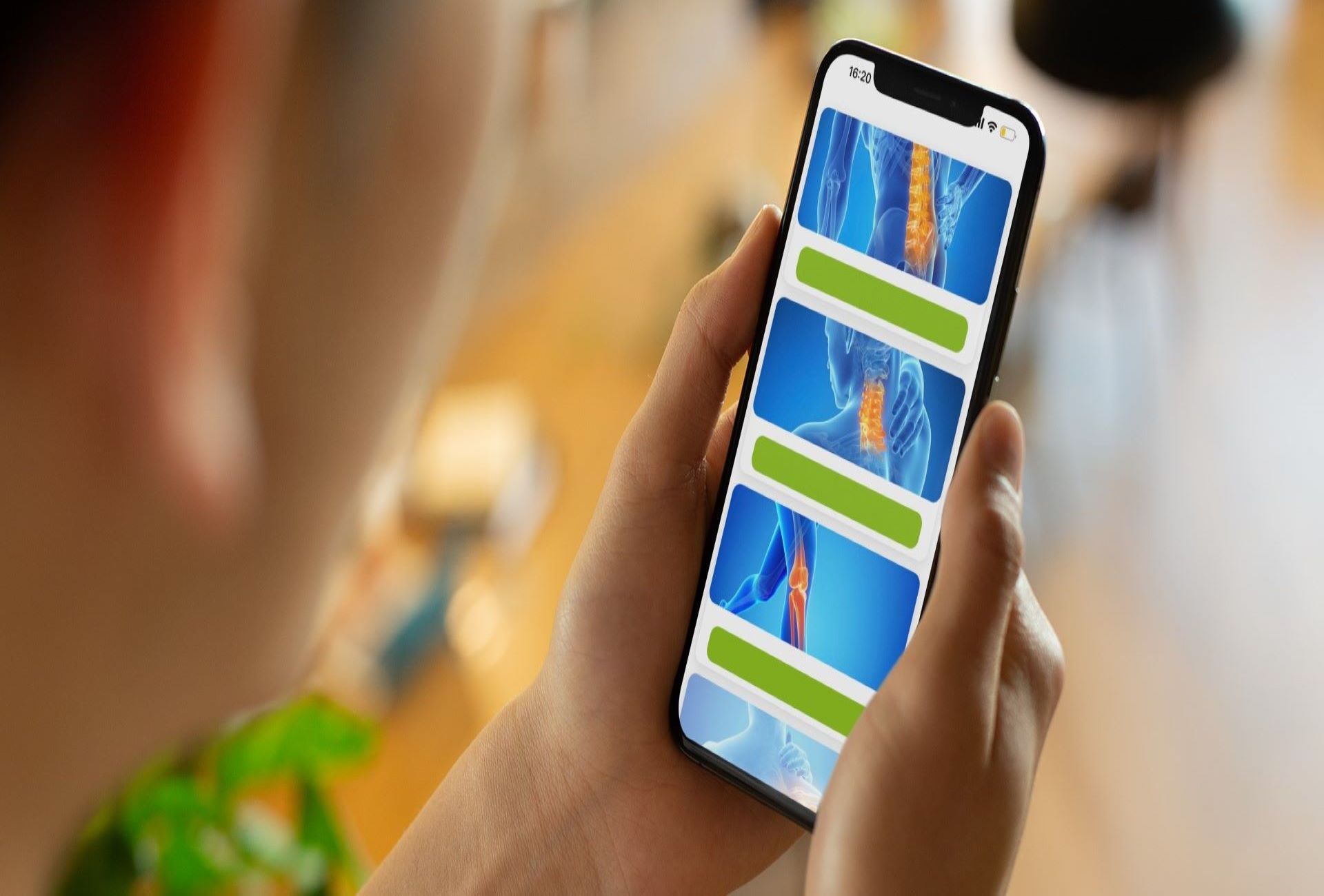
The getUBetter MSK app is provided free of charge by Frimley Health & Care ICS for registered patients at GP Practices. It can be accessed on a Smartphone or on the Web, and guides you day-by-day through a sequence of exercises, tips, and support to help you recover from a range of new, recurrent or long term conditions:
- Lower back pain
- Back and leg pain
- Neck pain
- Shoulder pain
- Ankle pain
- Knee pain
- Soft Tissue Lower Limb pain
- Hip pain
You can self-refer to the app by clicking on this link
Please use an email address that is unique to you and select the condition you need help to manage. We will then send you an email with all the information you need to get started.
You can download the getUBetter MSK app to your Smartphone for easiest access, or you can use the Webapp.
If you develop another condition, select your new condition from within the app and it will be added to your account.
The Medicines & Healthcare products Regulatory Agency has published recent guidance on the risk of accidental exposure of children to testosterone from a topical testosterone gel used by their parents and caregivers and provide advice to avoid this.
Guidance recommends that patients who are prescribed the gel follow the following steps and take care that the testosterone product is not accidentally transferred onto the skin of someone else:
- after applying the product, wash your hands with soap and water o once the product has dried, cover the application site with clean clothing (such as a t-shirt)
- before physical contact with another person (adult or child), wash the application site with soap and water after the recommended time period following application has passed
Topical testosterone products are gels or creams applied directly to the skin. They are authorised to replace testosterone in men who do not produce sufficient natural testosterone; a condition known as hypogonadism. It acts in the same way as the testosterone that is produced in the body, which is responsible for the development of genitals and maintaining sexual characteristics (deepening of voice, hair growth, and sex drive). These products are also used outside of the licence for a range of conditions, including for peri/post-menopausal symptoms in women.
If the testosterone in the product is accidentally transferred to someone else through physical contact, it can lead to increased blood testosterone levels in the other person. It can cause facial and body hair growth, deepening of voice and changes in the menstrual cycle of women, or accelerated height, genital enlargement, and early puberty (including development of pubic hair) in children.
If you are requiring travel vaccinations, it is important you contact us 6-8 weeks before you are due to travel in order for us to safely plan your vaccinations. If you leave it later than this, we may need to redirect you to a private travel clinic.
If you are requiring travel vaccinations, it is important you contact us 6-8 weeks before you are due to travel in order for us to safely plan your vaccinations. If you leave it later than this, we may need to redirect you to a private travel clinic.
A GP, nurse or pharmacist will generally not give you a prescription for over the counter (OTC) medicines for a range of minor health conditions.
This is because of government policy to reduce the amount of money the NHS spends on prescriptions for treating minor conditions that usually get better on their own.
Instead, OTC medicines are available to buy in a pharmacy or supermarket. Find your nearest pharmacy.
The team of health professionals at your local pharmacy can offer help and clinical advice to manage minor health concerns. If your symptoms suggest it's more serious, they'll ensure you get the care you need.
By reducing the amount it spends on OTC medicines, the NHS can give priority to treatments for people with more serious conditions, such as cancer, diabetes and mental health problems.
Instead of discarding used or unwanted inhalers in your household refuse/recycling, please return them to your pharmacy or bring them to reception.
The most common inhalers used in the UK are metered dose inhalers (MDI’s). MDI’s make up 3-4% of the entire NHS carbon footprint due to their propellants. All pharmacies can send MDI’s and other types of inhaler for medical waste incineration and some pharmacies take part in specialist recycling, both of which dispose of the propellants more safely.
The closest pharmacies currently participating in specialist MDI recycling are:
- Chapel Lane Pharmacy 102-104 Chapel Lane, Farnborough, Hants GU14 9BL
- Chase Pharmacy at Forest Surgery 60 Forest Road, Bordon, Hants GU35 0BP
There is more information on the website greeninhaler.org where you can also find details on other pharmacies participating in inhaler recycling.
At Farnham Dene Medical Practice we have recycling boxes in reception where you can bring back MDI’s.
A staff member will take them for recycling for you if you are unable to. However please note: as staff will be doing this in their own time, we ask that you use this scheme if this is the only way you can recycle your inhaler.
Greener Practice – Greener Practice – UK's primary care sustainability network
Farnham PCN is made up of the 5 GP practices in Farnham working together to provide services Farnham residents.
The five practices are Farnham Dene Medical Practice, Downing Street Group Practice, The Ferns Medical Practice, River Wey Medical Practice and Holly Tree Surgery. The clinical director of the PCN is Dr David Brown and the PCN manager is Vikki Rigate.
The Farnham PCN is responsible for running the Covid vaccination clinic at Farnham Hospital.
For more information on social prescribing, please watch the following short video:
For more information on social prescribing, please watch the following short video:
Information about your health and care helps us improve your individual care, speed up diagnosis, plan your local services and research new treatments.
In May 2018, the strict rules about how this data can and cannot be used were strengthened. The NHS is committed to keeping patient information safe and always being clear about how it is used.
You can choose whether your confidential patient information is sued for research and planning.
To find out more, please read the attached guidance or visit Overview – Choose if data from your health records is shared for research and planning - NHS (www.nhs.uk)